Table of Contents
Recycling and High-Value Utilization Pathways for Blue Plastic Buckets
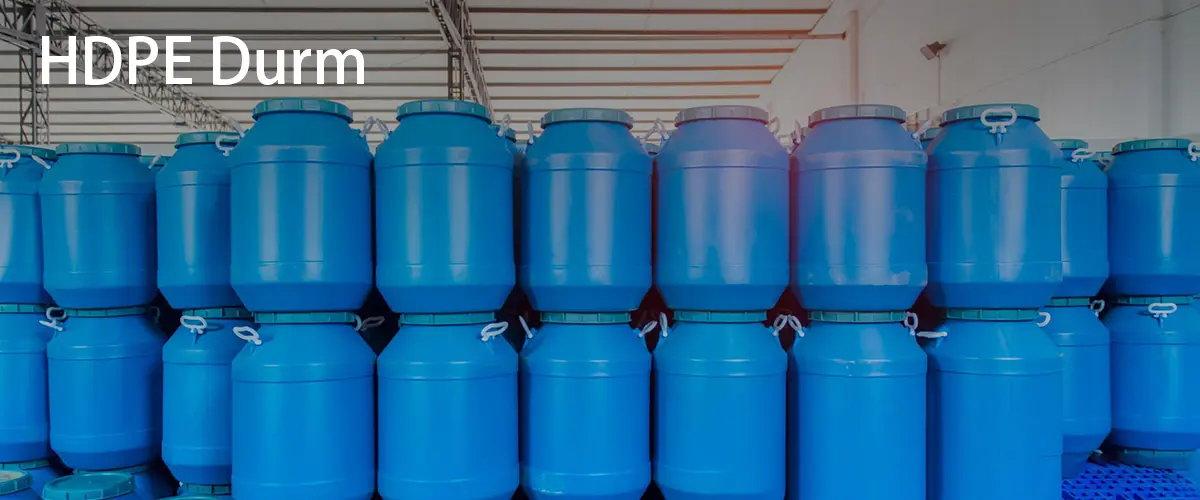
HDPE Drum Plastic
Blue plastic buckets, common containers in industry and daily life, are typically made of high-density polyethylene (HDPE) or polypropylene (PP), which possess good corrosion resistance and mechanical strength. Achieving efficient recycling and resource utilization of these plastic products is of great significance for reducing “white pollution” and promoting the development of a circular economy.
In today’s era of rapid industrialization and urbanization, plastic containers, as efficient and practical packaging and transportation tools, are widely used in various fields. Among them, blue drums, with their large capacity, high strength, and good chemical stability, play an indispensable role in industries such as chemicals, food, and logistics. However, with the dramatic increase in the use of blue drums, the problem of disposing of waste blue drums has gradually become prominent, becoming a major obstacle to the sustainable development of the environment and resources. Fortunately, the emergence of blue drum crushers acts as a game-changer, using their powerful crushing capabilities to help us say goodbye to the troubles of blue drum accumulation and start a new journey of recycling waste blue drums.
Blue Barrel Piles: A pressing dilemma
The staggering usage and current state of blue barrel accumulation
In industrial production, blue barrels are widely used to hold various chemical raw materials, additives, and semi-finished products. According to incomplete statistics, the chemical industry alone consumes billions of blue barrels annually.
In logistics and transportation, blue barrels serve as transit containers, frequently moving between warehouses and factories. After fulfilling their purpose, the vast majority of these blue barrels become waste. Due to their large size, each blue barrel occupies a significant amount of space, leading to large accumulations of discarded blue barrels that form “blue mountains.” In some waste recycling stations, these piles even occupy a large portion of the site, making operation and management extremely difficult.
The Numerous Problems Caused by the Accumulation of Blue Bins
What are the consequences of the large number of industrial blue bins?
Space Occupation and Waste of Site Resources: The accumulation of discarded blue bins occupies a significant amount of valuable land resources and storage space. For businesses, space that could be used for production or storage of other materials is now occupied by discarded blue bins, undoubtedly increasing operating costs. For cities, the limited waste disposal sites are further burdened by the large number of blue bins, increasing the pressure on waste management.
Environmental Pollution Hazards: Blue bins are mainly made of polyethylene and other plastics, which are extremely difficult to degrade in the natural environment. Long-term open-air storage exposes the surface of the blue bins to erosion from ultraviolet rays, wind, rain, and other natural factors, causing them to gradually age, break, and release microplastic particles. These microplastic particles are washed into the soil and water bodies by rainwater, causing serious damage to the ecological environment. Furthermore, blue bins may contain residual chemicals, such as chemical raw materials and cleaning agents. These substances can leak out after the bins break, polluting the soil and groundwater and posing a potential threat to human health.
Safety Risks: The accumulation of large numbers of blue bins can easily lead to safety accidents. In windy weather, the blue bins may be blown over, injuring pedestrians or damaging surrounding facilities. Furthermore, areas where blue bins accumulate can easily become habitats for pests such as mosquitoes and rats, spreading diseases and impacting environmental hygiene and people’s quality of life.
Technical Pathways for Plastic Recycling
Plastics can be divided into two categories: thermoplastics and thermosetting plastics. Thermoplastics, such as polyethylene and polypropylene, can be plasticized and molded when heated, and solidify when cooled. This characteristic makes them ideal materials for recycling.
Currently, there are two main methods for processing waste plastics:
Mechanical Recycling: Through processes such as sorting, washing, crushing, and melt granulation, waste plastics are processed into recycled granules for use in manufacturing new plastic products. For example, recycled HDPE materials can be reused to produce durable products such as flower pots, pipes, and trash cans.
Chemical Recycling and Energy Recovery: For contaminated or difficult-to-sort plastics, incineration can be used to recover heat energy, or degradation technologies can be used to convert them into chemical raw materials, achieving molecular-level recycling.
Industrial Applications of HDPE Waste Drums
HDPE waste drums possess high molecular mechanical strength, making them widely used in applications requiring high rigidity and durability, such as water supply pipes, jacking pipes, blow molding, and other related fields. HDPE waste drums are 100% recyclable and pure materials that can be used to manufacture a variety of valuable items. They can also be used to manufacture bottles, cups, drums, bags, packaging boxes, and other necessities.
Development Prospects and Challenges
Despite continuous advancements in plastic recycling technology, challenges remain, including high sorting costs and insufficient market acceptance of recycled products. Future development requires further improvement of the classification and collection system, promotion of the standardized application of recycled plastics in product design, and policy guidance to expand green procurement and accelerate the maturity of the plastic circular economy chain.
Through the dual-engine drive of technological and institutional innovation, plastic products such as blue plastic buckets will transform from “waste” into “urban resources,” providing crucial support for building waste-free cities.
Blue Barrel Crusher Shredder Machine: A Key Tool for Breaking the Mold
Working Principle: A Fusion of Mechanical Power and Precision Design
Guangzhou Tyrone TLD Series Crusher – This series is professionally designed and developed for hollow shell components, suitable for: large barrels and large plastic shells for crushing and recycling. The blade holder adopts a V-shaped cutting design, and the unique angle of the feeding hopper allows the material to be directly fed to the blade for cutting, avoiding impact on the side walls and enhancing the wear resistance of the side walls, while reducing crushing dust.
The core working area of the TLD series blue barrel crusher is the crushing chamber. The crusher has a large capacity and an eccentric design. For this large hollow material, after entering the feeding hopper, the material falls directly onto the blade, reducing the amount of material thrown into the air within the crusher, thus resulting in high output. The material is directly crushed without cutting, reducing labor costs. This is a sealed space constructed of high-strength metal materials, capable of withstanding the enormous impact and pressure generated during the crushing process.
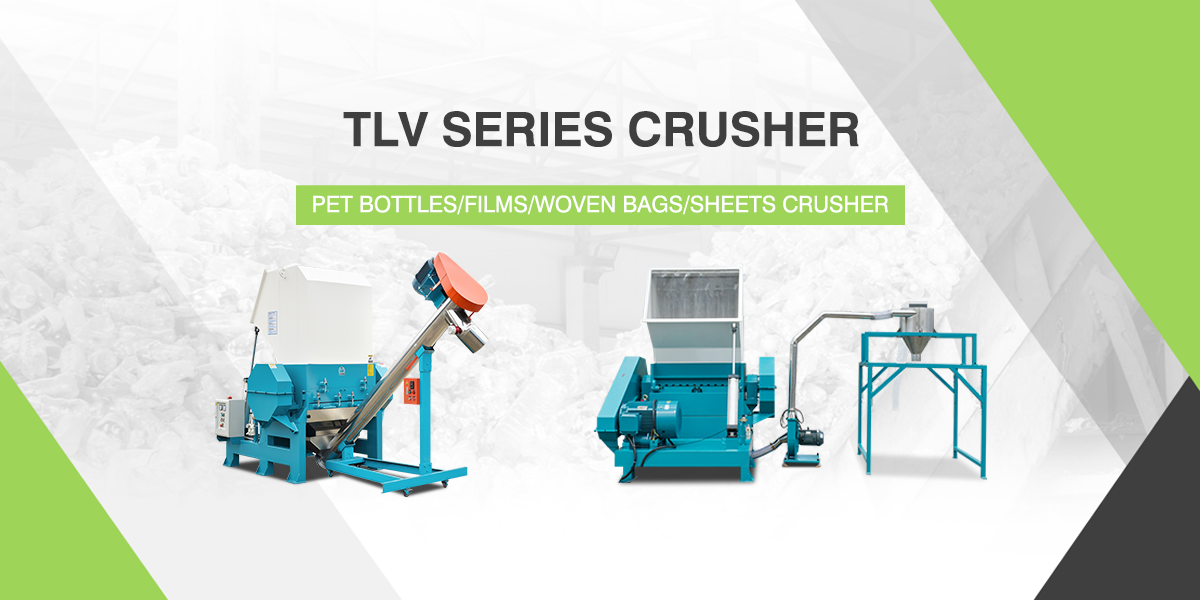
Plastic Drum Crusher
The plastic drum crusher efficiently processes high-density polyethylene (HDPE) plastic drum waste, transforming it into smaller, more manageable fragments. This simplifies the recycling process, increases efficiency, reduces costs, and typically allows for a quick return on investment.
This crusher supports the circular economy by minimizing the demand for virgin plastics, reducing landfill usage, and minimizing pollution.
Why Choose Guangzhou Tyrone’s Plastic Bucket Crusher Shredder Machine?
Tyrone Technology Co., Ltd. is committed to the innovation and R&D of shredding equipment, and is an enterprise integrating the research, development, manufacturing, and sales of shredders and crushers.
Comprehensive Support and Service: From initial consultation and system installation to ongoing maintenance and support, our expert team will wholeheartedly ensure that your investment yields maximum return.
Customized Solutions: We understand that every enterprise has its unique needs. Our team will work closely with you to customize a plastic crushing and recycling system according to your specific requirements, ensuring optimal performance and efficiency.
Committed to Innovation: As a leader in waste management solutions, we are committed to staying at the forefront of industry innovation. We continuously seek and provide the latest technologies and systems to help our customers manage waste more efficiently and sustainably.