
Polyamide Plastic (PA)
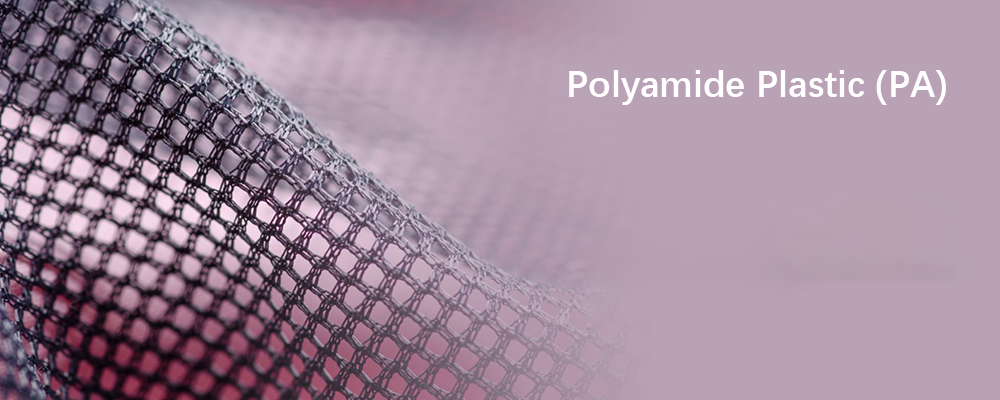
Polyamide Nylon (full name Polyamide, abbreviated as PA), also known as polyamide fiber, nylon, and nylon. Nylon is a kind of highly polar polymer material. A large number of hydrogen bonds can be formed between its molecules, so it has a high melting point and a narrow melting range. The material exhibits excellent mechanical properties, […]
What is Polycarbonate Plastic (PC)
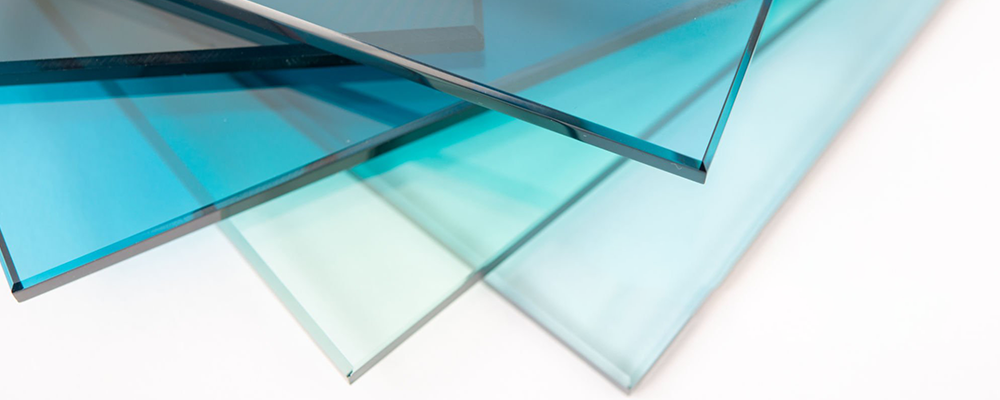
Polycarbonate Plastic Polycarbonate plastic is a thermoplastic with good optical properties, excellent impact resistance, and extraordinary durability. It can be extruded into sheets, films, blocks, rods, tubes, and other special shapes. It can also be injection molded into some plastic parts for industrial applications. Polycarbonate (PC) plastic is virtually indestructible and one of the most […]
What is Polystyrene Plastic (PS)
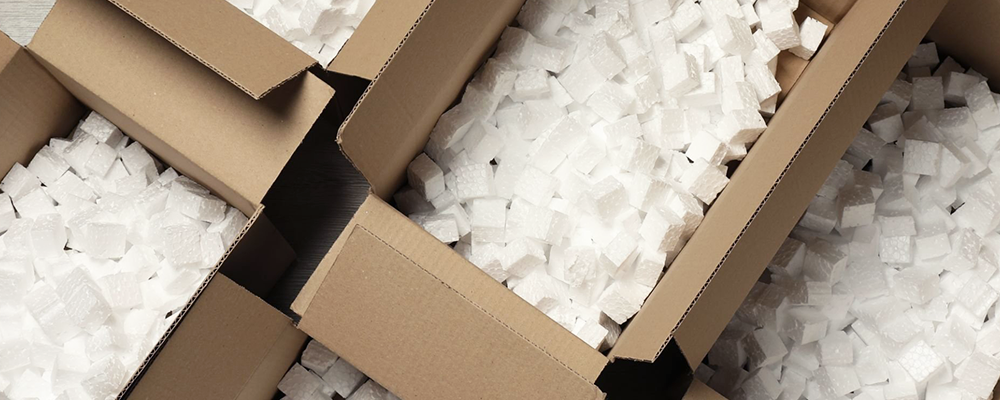
What is Polystyrene? Polystyrene can be divided into thermoplastic materials and thermosetting materials according to its polymer structure. Thermosetting materials cannot be remelted after the initial molding, while thermoplastic materials can be melted and reused many times. Therefore, thermoplastic polystyrene (PS) can be used for injection molding and then recycled. Polystyrene (PS), a polymer synthesized […]
What is Polypropylene (PP)
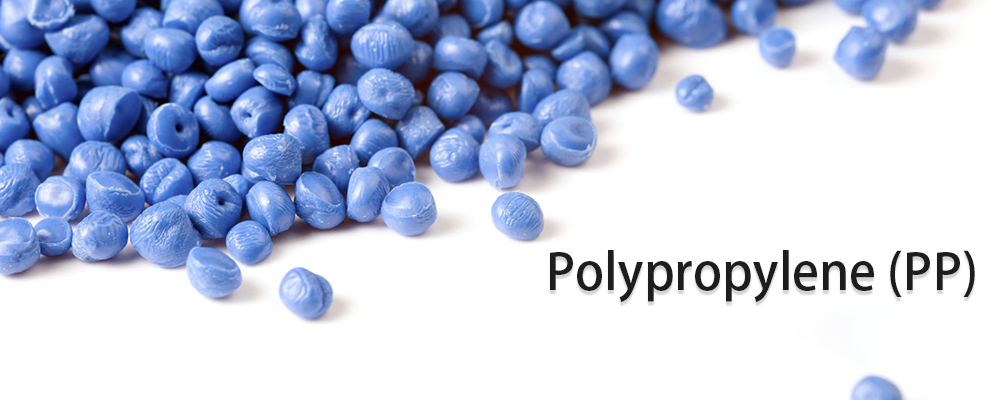
What is Polypropylene? Polypropylene (PP for short) is a semi-crystalline thermoplastic polymer made from propylene monomers through addition polymerization. It is usually a white waxy solid, non-toxic, odorless, transparent in appearance and light in texture. Its chemical formula is (C3H6)n, and its density is 0.89-0.92 g/cm3, making it the thermoplastic resin with the lowest density; […]
Low Density Polyethylene Plastic (LDPE)?
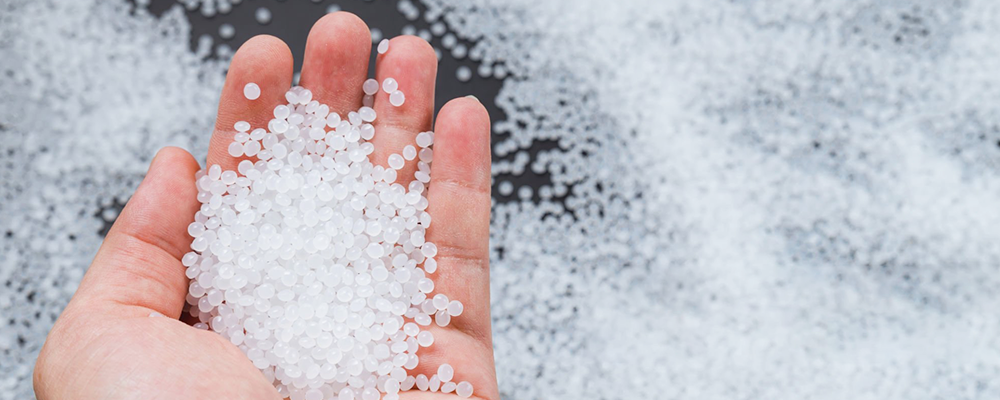
What is LDPE? Low-density polyethylene, also known as high-pressure polyethylene (LDPE), is the lightest variety of polyethylene resin. It is milky white, tasteless, odorless, non-toxic, and matte waxy particles. It has good softness, extensibility, electrical insulation, transparency, easy processing, and certain air permeability. It has good chemical stability and is resistant to alkali and general […]
Polyvinyl Chloride Plastic (PVC)
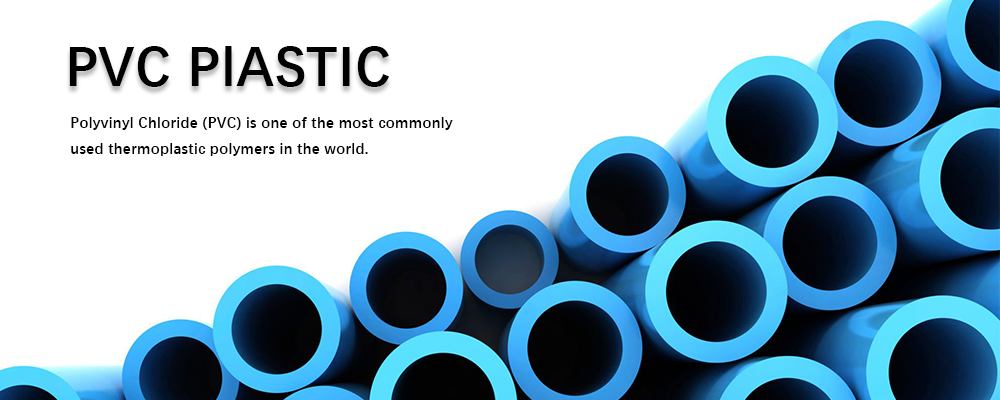
What is PVC? Polyvinyl chloride (PVC) is the third largest synthetic polymer plastic in the world (after polyethylene and polypropylene), with an annual production of about 40 million tons of PVC. PVC is a polymer formed by the free radical polymerization mechanism of vinyl chloride monomer (VCM) in the presence of initiators such as peroxides […]
High Density Polyethylene Plastic (HDPE)
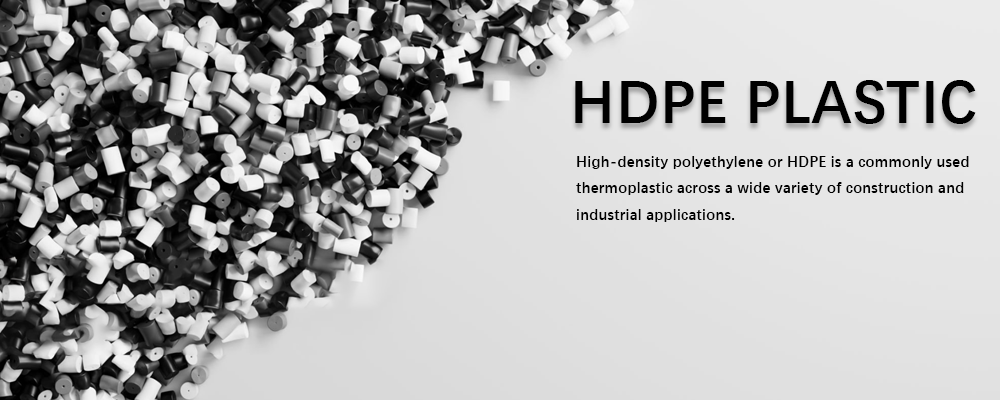
What is HDPE? High-density polyethylene (HDPE) is a white powder or granular product. It is non-toxic, odorless, with a crystallinity of 80% to 90%, a softening point of 125 to 135°C, and an operating temperature of up to 100°C; its hardness, tensile strength and creep are better than those of low-density polyethylene; its wear resistance, […]
What Is PET Plastic?
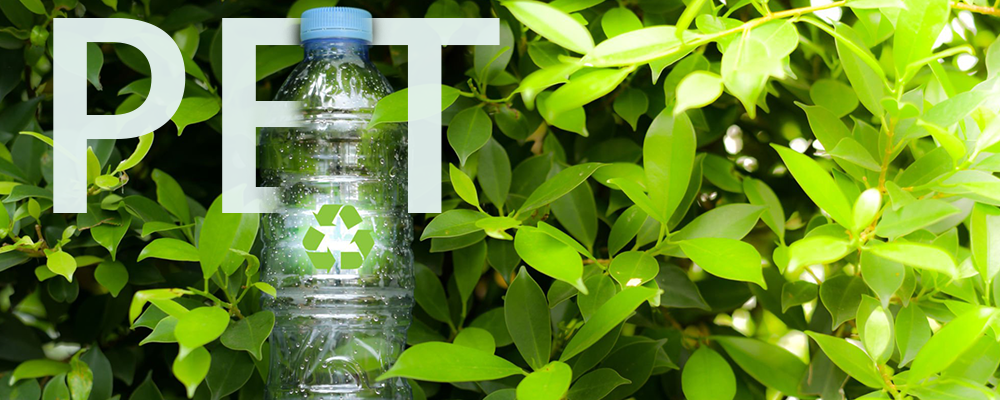
PET Plastic? Natural PET is a transparent plastic with a glossy surface. It has all the advantages of glass – a strong, inert material that does not react with food. It resists attack by microorganisms such as bacteria, fungi and parasites, and does not biodegrade even when exposed to excessive moisture and air for a […]
What is Plastic?
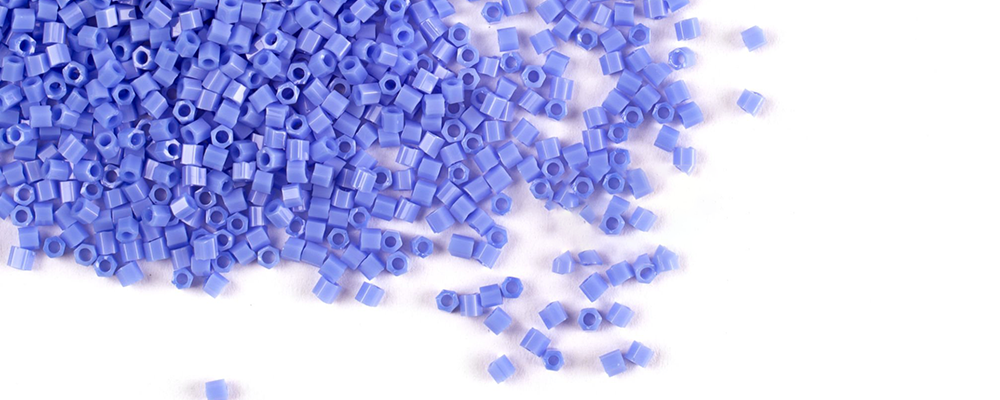
Introduction to Plastics Plastics are a class of materials consisting of a variety of synthetic or semi-synthetic organic compounds that are ductile and can therefore be molded into solid objects. Plasticity is a universal property of all materials, i.e. the ability to deform permanently without breaking. Polymers get their name from their elasticity and plasticity. […]
PEA Plastic Pollution Prevention and Control
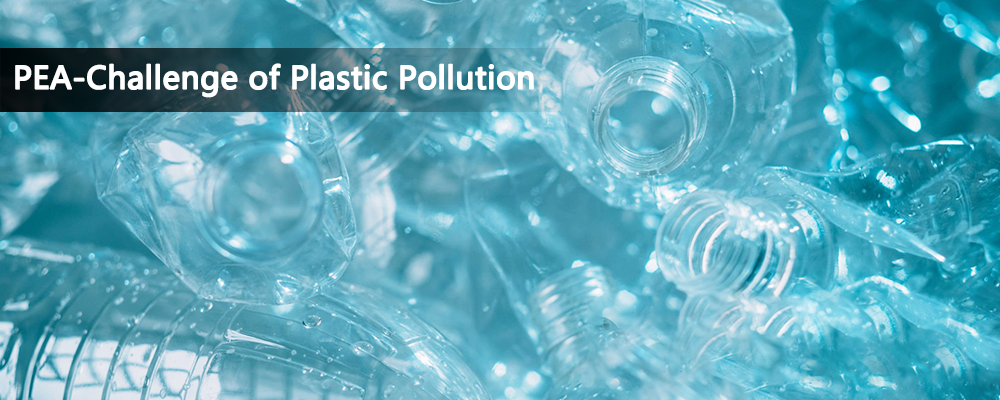
PEA On November 21, 2024, the United States Environmental Protection Agency (EPA) released the National Strategy to Prevent Plastic Pollution, which identified six goals and actions aimed at preventing plastic pollution throughout the entire plastic lifecycle. Plastic has many uses, but it also has a huge impact on our environment. The National Strategy for Preventing […]