Reading Guide
What is PVC film?
PVC Film
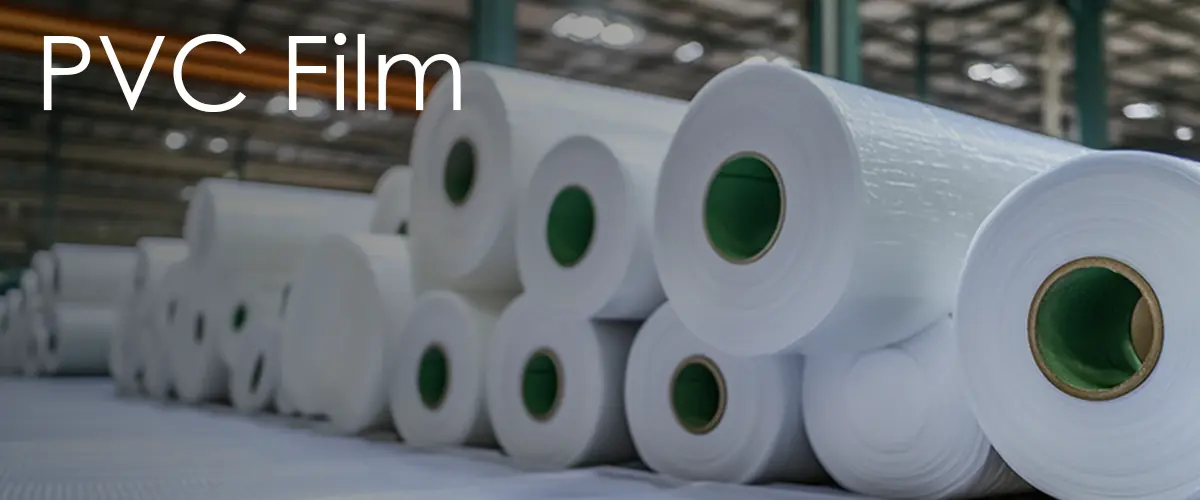
PVC film is a plastic film material made primarily from polyvinyl chloride (PVC) resin, with the addition of plasticizers, stabilizers, lubricants, and other additives, processed through extrusion, calendering, or blow molding.
Common Uses of PVC Film
Uses PVC Film
Agricultural Field
Greenhouse film: Used for covering greenhouses, providing insulation and light transmission to promote crop growth.
Mulch film: Covers the soil surface to retain moisture, suppress weeds, and increase crop yield.
Industrial Packaging
Heavy-duty packaging bags: Used for packaging heavy items such as fertilizers, cement, and chemical raw materials; puncture-resistant and tear-resistant.
Moisture-proof film: Protects electronic products, precision instruments, etc., from moisture.
Construction and Decoration
Wallpaper substrate: Used as the base material for wallpaper, providing a smooth and durable surface.
Advertising printing film: Used for outdoor billboards, light boxes, etc., with bright colors and strong weather resistance.
Daily Necessities
Raincoats and umbrellas: Utilizing the waterproof properties of PVC film to make lightweight rain gear.
Tablecloths and placemats: Waterproof and easy to clean, suitable for home and catering establishments.
Recycling Value of PVC Film
Recycling Value
Environmental Benefits
Reduces the harmful substances such as dioxins and hydrogen chloride produced by incineration or landfill of PVC film, reducing soil and water pollution.
Promotes a circular economy and reduces reliance on virgin PVC resin.
Economic Value
Recycled PVC is 20%-30% cheaper than virgin material, significantly reducing production costs.
Plasticizers (such as DOP) in waste PVC film can be recycled and reused, with a market price of approximately 7000-8000 yuan/ton.
PVC Film Recycling and Processing Process
What is the recycling and processing process?
Classification and Collection
Separate PVC film from other plastics (such as PE, PET, etc.) to avoid contamination and ensure the quality of recycled materials.
For agricultural PVC films (such as greenhouse films and mulch films), it is necessary to remove impurities such as soil, sand, and grass roots first.
Pre-treatment
Cleaning: Remove surface stains using a high-pressure water gun or automated cleaning equipment.
Shredding: Use a dedicated shredder to crush the film into small pieces for easier subsequent processing.
Drying: Ensure the moisture content of the material is below 5% through centrifugal dewatering or hot air drying.
Recycling and Processing
Physical Recycling Method:
Through processes such as shredding, screening, and grinding, the PVC film is transformed into film, powder, or granular recycled material.
The recycled material can be used to produce heavy-duty packaging bags, agricultural water pipes, shoe soles, cable sheaths, etc.
Chemical Recycling Method:
Decompose PVC into small molecular compounds (such as HCl), and then re-synthesize PVC or other chemical products.
Suitable for highly contaminated, low-quality PVC waste, but the cost is higher.
Modified Recycling
Improve the performance of recycled materials by adding new PVC resin, plasticizers, stabilizers, and other additives.
It can be used to produce secondary plastic films, pipes, profiles, etc., to meet the needs of different scenarios.
Film Crushing and Shredding Machine
This crusher is suitable for crushing and recycling PP and PE film materials and sheets, PET bottles, and other products.
It adopts a V-shaped blade design and a shearing working principle to cut the material into pieces, rather than tearing it apart. The crushed particles have sharp edges and corners, resulting in less dust, reduced energy consumption, and increased production capacity. For crushing PP woven bags, a large oblique staggered blade design can be selected.
The Importance of Plastic Film Recycling
The importance of plastic film recycling is mainly reflected in the following two aspects:
Resource Recycling: Plastic film is a polymer material processed from limited resources such as petroleum and natural gas. Recycling plastic film reduces reliance on new resources and enables resource recycling.
Environmental Protection: Discarded plastic film, if disposed of indiscriminately, will cause environmental pollution. Recycling plastic film reduces environmental pollution and protects the ecological environment.
In summary, plastic film recycling is of great significance in reducing environmental pollution and achieving resource recycling. We should actively participate in plastic film recycling and contribute to environmental protection and sustainable development.