Reading Guide
Changes in garbage disposal and environmental protection concepts
How long does it take for plastic products to decompose
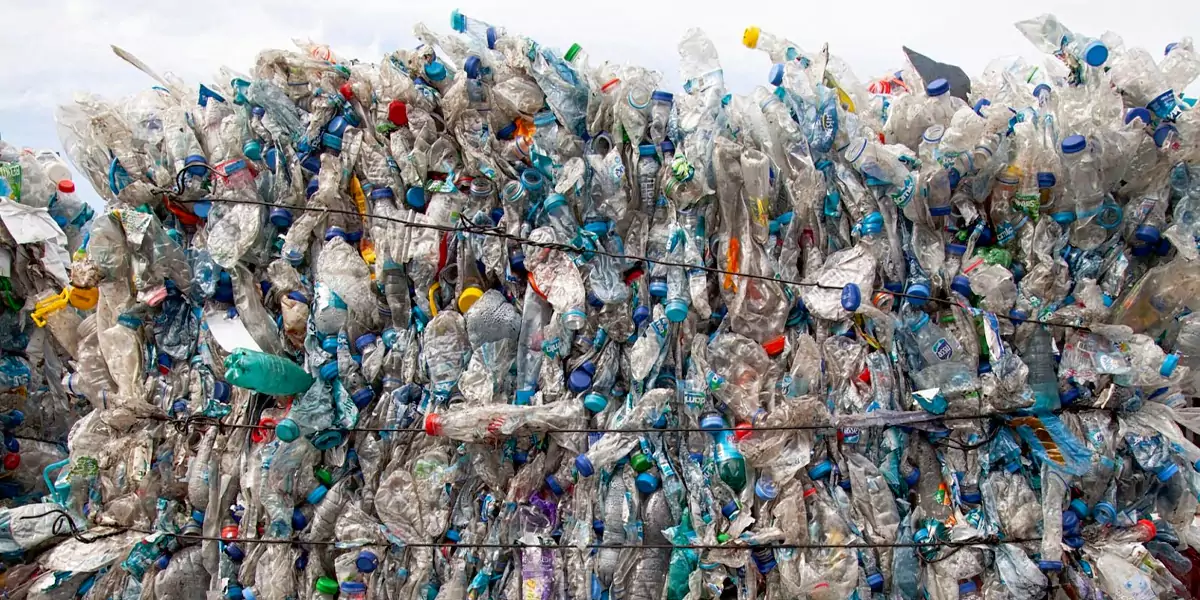
How long does it take for discarded plastic products to completely decompose in nature? Usually, the decomposition time of plastic products is about 500 years, plastic bottles take 450 years, and plastic bags take 10 to 20 years. However, these plastic products cannot only be discarded.
In rural areas, plastic woven bags that are often abandoned in the fields can be sold for a considerable price after professional second-hand recycling! Nowadays, with the increasing popularity of environmental protection concepts, many people choose to sell their household waste through reservation platforms to earn pocket money. Although waste such as delivery boxes, plastic bottles, and cans are often mentioned, the common item of plastic woven bags is often overlooked by people. In fact, if it can be specifically recycled and reused, it can also bring considerable benefits.
Environmental impact of plastic woven bags
plastic pollution
Plastic woven bags, which are widely used in daily life, are mainly used to hold items for transportation, such as fertilizers, grains, etc. It undoubtedly brings great convenience to people. However, when these woven bags fulfill their mission, they become waste. These discarded woven bags are difficult to decompose in the natural environment, causing continuous pollution to soil and water sources, and imposing a heavy burden on the ecosystem.
The necessity of recycling plastic woven bags
Recycling plastic bags
Although the number of plastic woven bags that ordinary people come into contact with in cities is limited, usually only a few, there are few dedicated recycling measures. However, in rural areas, this recyclable woven bag is widely available. This is mainly because the recycling of waste woven bags has multiple benefits.
Firstly, it can effectively reduce environmental pollution while conserving resources. In addition, waste woven bags also have high recycling value, and after recycling treatment, they can be converted into commercially popular recycled particles. Not only that, these waste woven bags can also be used in many fields such as preparing multifunctional resin adhesives, producing aromatic compounds, producing waterproof and antifreeze adhesives, and manufacturing fuels.
Recycling and utilization of waste plastic woven bags
Through high-temperature cracking, waste plastic woven bags can not only be recycled, but also bring significant economic and social benefits.
High-temperature cracking method
High-temperature cracking method recycling
In high-temperature environments, these woven bags can be effectively converted into plastic oil and carbon black. After processing, pure waste woven bags can produce about 90% oil, although in reality, due to impurities and moisture, the oil yield is usually 60% -70%, accompanied by about 30% carbon black production. This recycling method not only contributes to resource conservation and environmental protection, but also provides important raw material support for related industries.
Recycling of regenerated particles
Recycling of recycled particles
In addition to high-temperature cracking, there is another important recycling method for waste plastic woven bags – recycling of recycled particles. Through specialized water granulation equipment, these waste woven bags can be effectively converted into commercially popular recycled pellets. This process involves multiple steps such as crushing, cleaning, heating and plasticizing, and extrusion molding, which not only reduces pollution and saves resources, but also creates wealth.
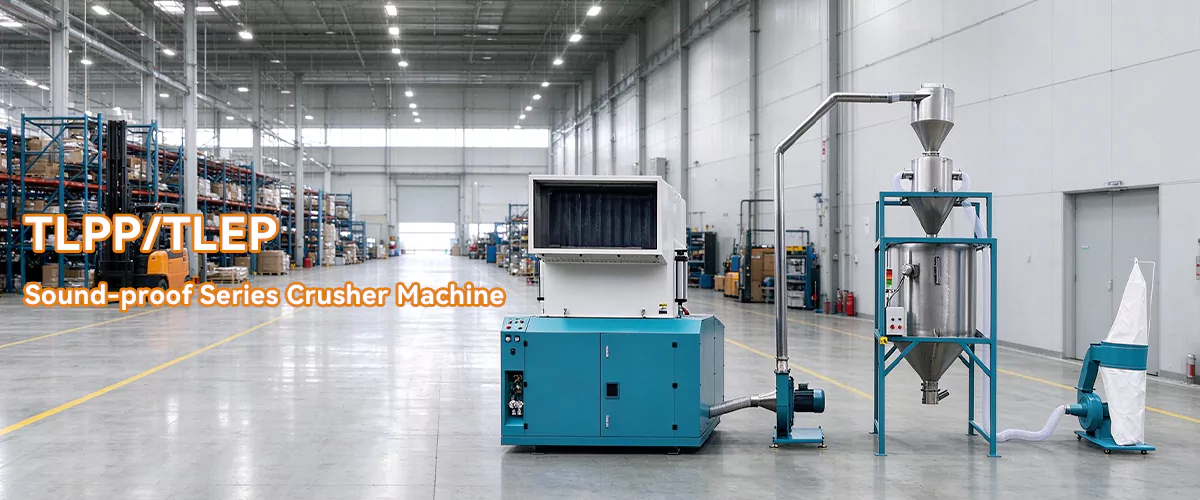
Reducing transportation costs is a key issue in the recycling process. Usually, plastic shredders are used to reduce the volume of waste woven bags. The shredded materials are not only more convenient to transport, but also effectively reduce transportation costs and improve transportation efficiency. At the same time, this processing method also makes it easier for materials to undergo secondary crushing and storage, thereby saving a lot of warehouse space and providing great convenience for reprocessing and utilization.