
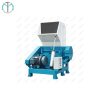
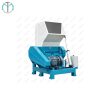
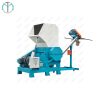
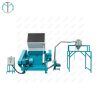
Advantage
Certification
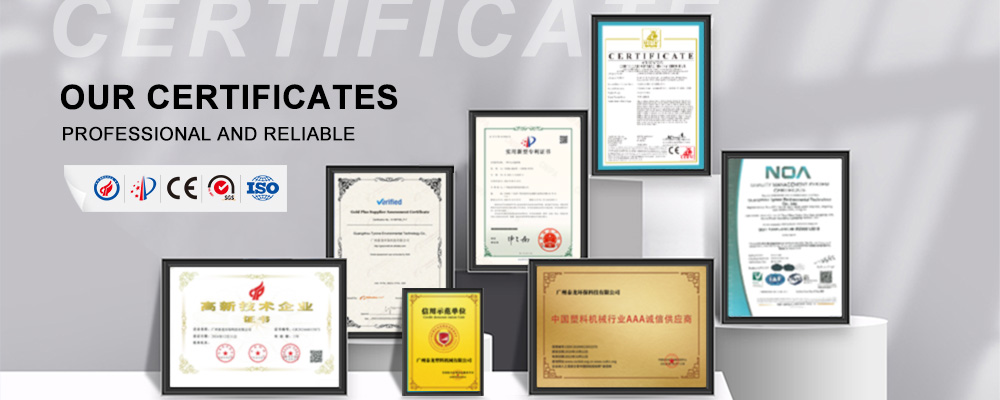
EU standard CE certificate and SGS, ISO9001, AAA enterprise certification, etc., multiple safety certifications and corporate strength certifications.
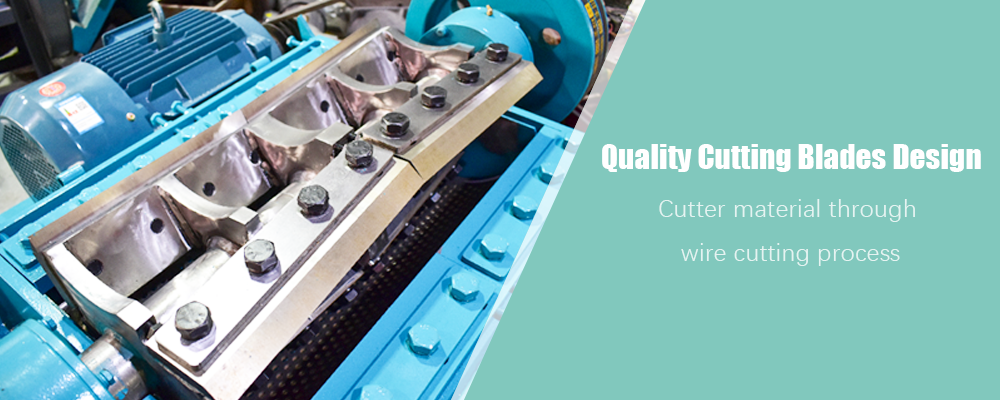
Quality Cutting Blades Design
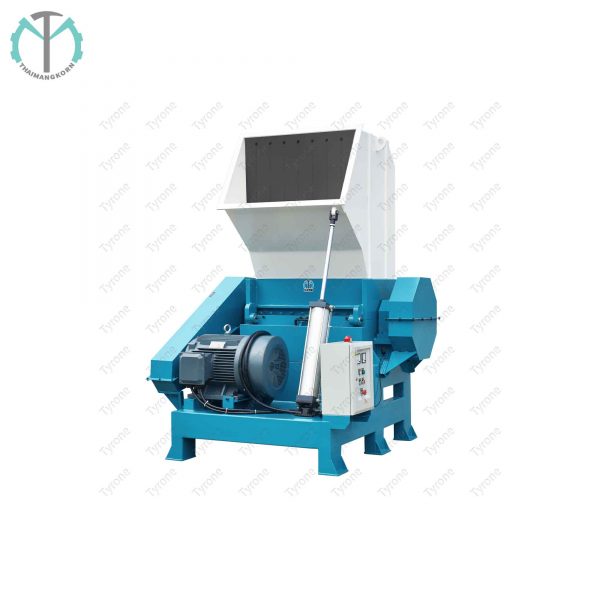
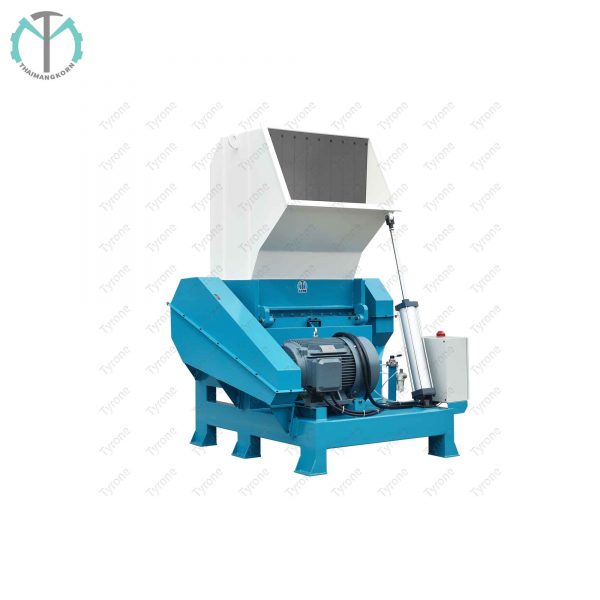
Plastic cruher adopt V-Shape blade design,shearing working principle instead of tearing to cut the material.Crushed granule in angular,low dust, reduce energy consumption increase capacity.For Pp woven bagcrushing can choose large skew stagger blade design..
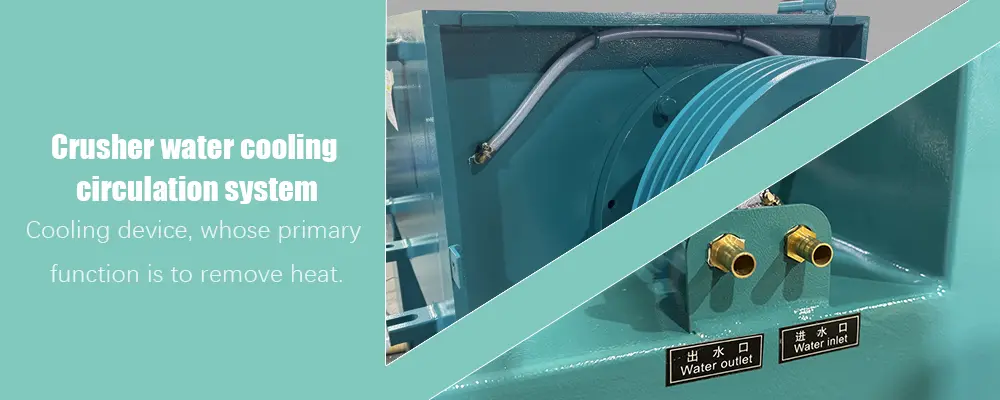
Crusher Chamber Cooling System
The crusher water cooling circulation system is a specialized cooling device developed for plastic crushers operating under high-load continuous operation. Its core function is to promptly dissipate the large amount of heat generated by friction and impact in core components such as the crushing chamber, main shaft bearings, and fixed and moving blades.
This prevents problems such as deformation, accelerated wear, and lubrication failure caused by high temperatures, while also reducing equipment operating noise, improving crushing efficiency, and extending the overall service life of the machine. It is an indispensable core supporting system for medium and large-sized, high-speed crushers.
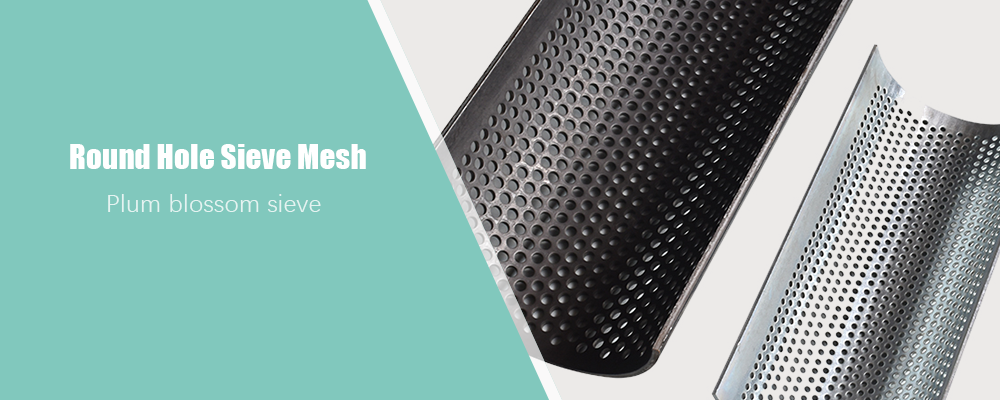
Round Hole Sieve Mesh
Customized mesh can be made as needed, with a tapered hole design for fast discharge speed, uniform particle size, and minimal dust.
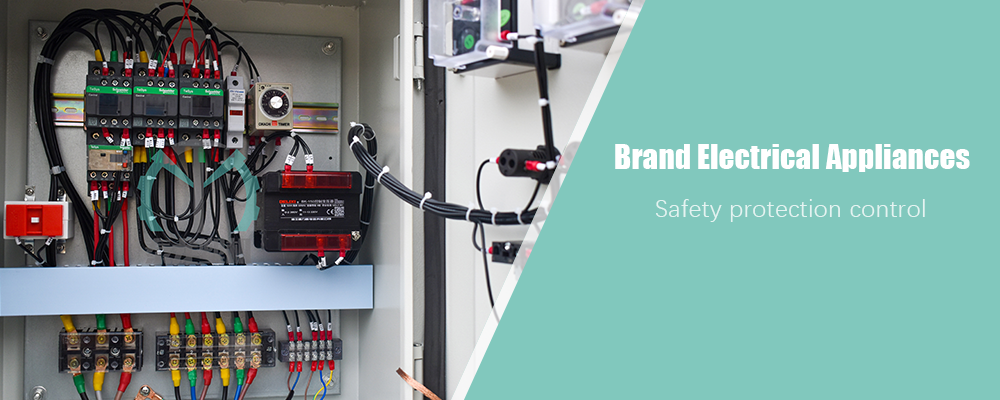
Quality Electrical Controller
Siemens & Schneider PLC Brand Electrical Controller.
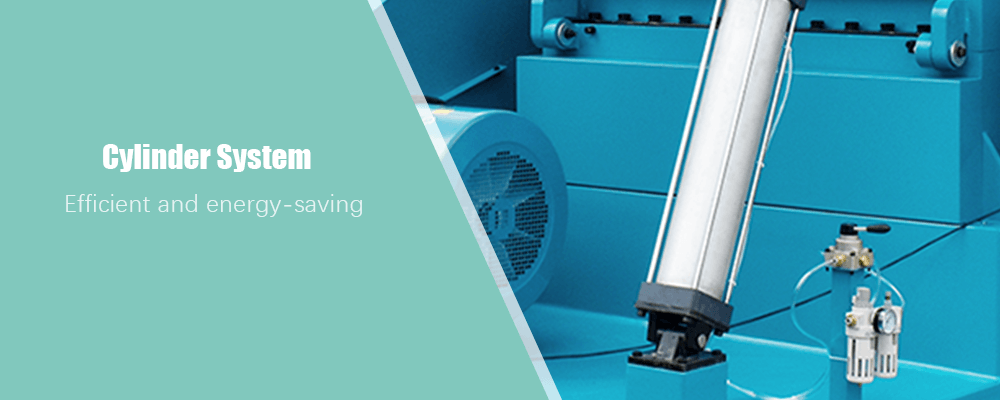
Cylinder System
Cylinder System converts hydraulic energy into mechanical energy, driving the opening and closing of the feeding port to achieve efficient,
fast and safe purposes.
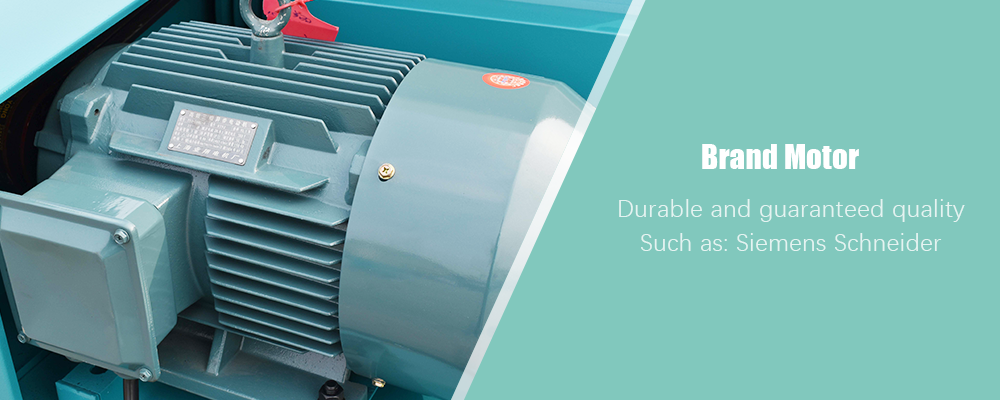
Pure Copper Motor
Overload protection protects human and machine safety, stable performance, low failure rate, and long life.
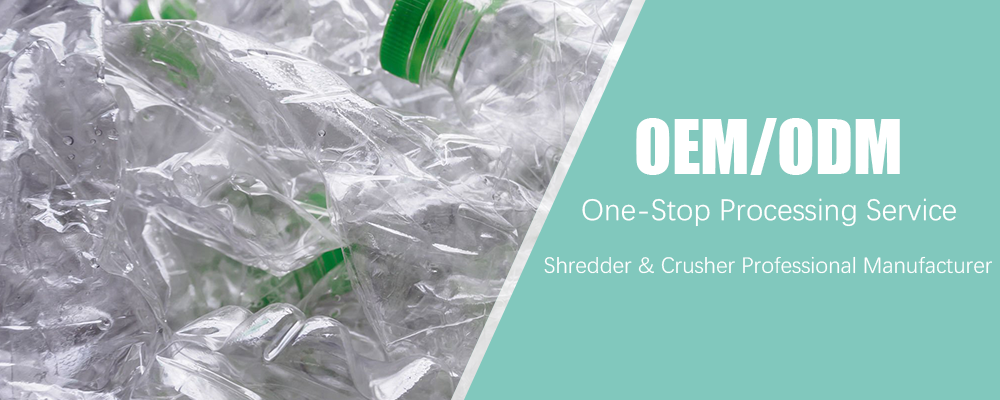
Crusher Shredder Adaptation System
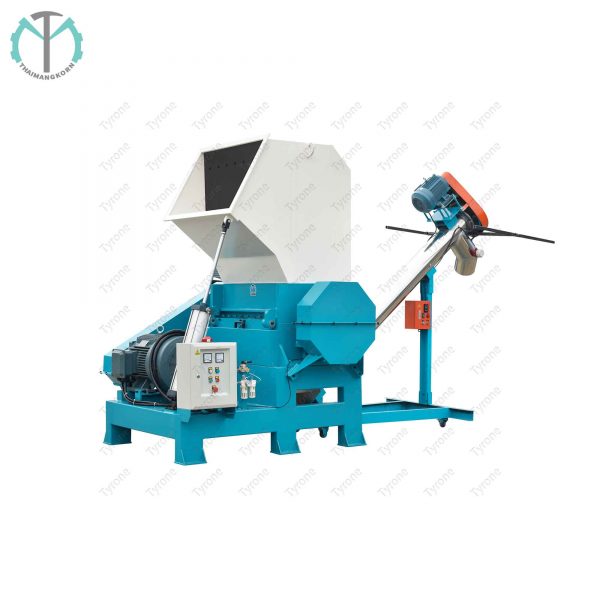
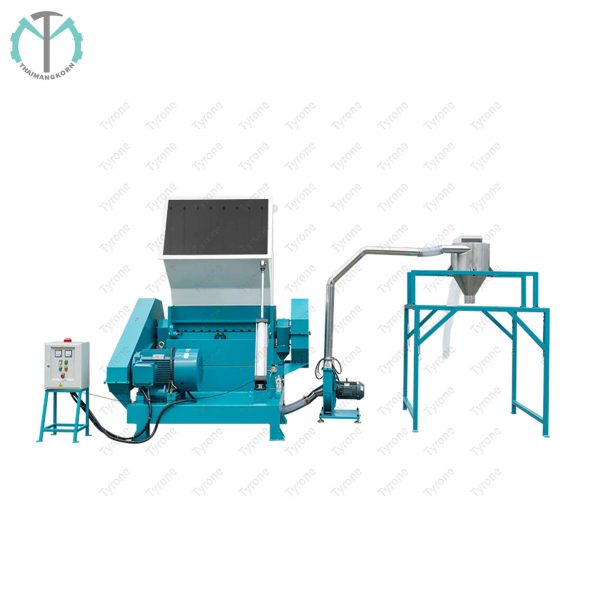
Optional recycling system for broken waste items.



Reviews
There are no reviews yet.