
Polyethylene Naphthalate Plastic (PEN)

Reading Guide Polyethylene Naphthalate Plastic Polyethylene Naphthalate Short for polyethylene naphthalate. Polyethylene naphthalate (PEN) is one of the important members of the polyester family. It is a new and excellent polymer formed by the polycondensation of 2,6-naphthalene dicarboxylic acid dimethyl ester (NDC) or 2,6-naphthalene dicarboxylic acid (NDA) and ethylene glycol (EG). Its chemical structure is […]
Styrene Butadiene Styrene Plastic (SBS)
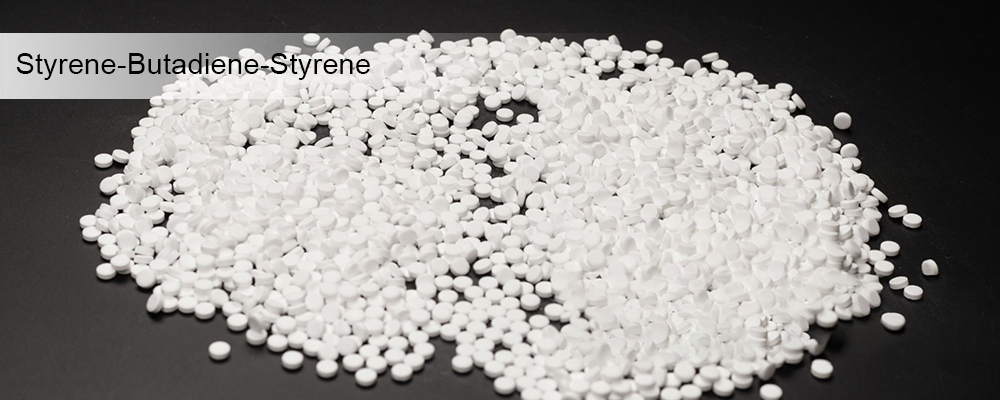
Reading Guide Styrene Butadiene Styrene Block Copolymer Plastic Styrene Butadiene Styrene Block Copolymer SBS is the largest-volume (accounting for more than 70%), lowest-cost, and most widely used variety among SBCs. It is a triblock copolymer with styrene and butadiene as monomers. It has the properties of both plastic and rubber and is known as the […]
Ethylene Vinyl Alcohol Plastic (EVOH)
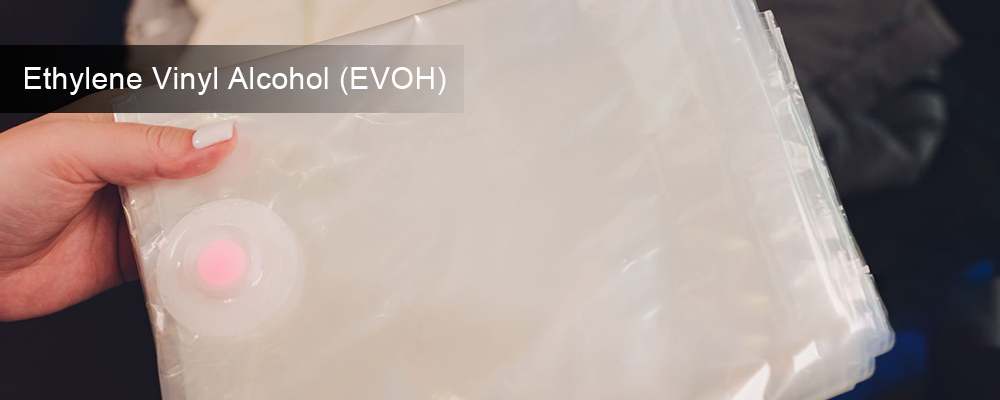
Reading Guide Ethylene-vinyl alcohol copolymer Plastic Ethylene-vinyl alcohol copolymer EVOH, also known as ethylene-vinyl alcohol copolymer, is a thermoplastic material widely used in the food packaging industry due to its excellent barrier properties. EVOH excels in preventing the penetration of gases, liquids and aromas, making it the first choice for food packaging applications. Chemistry and […]
Polyurethane Plastic (PU)
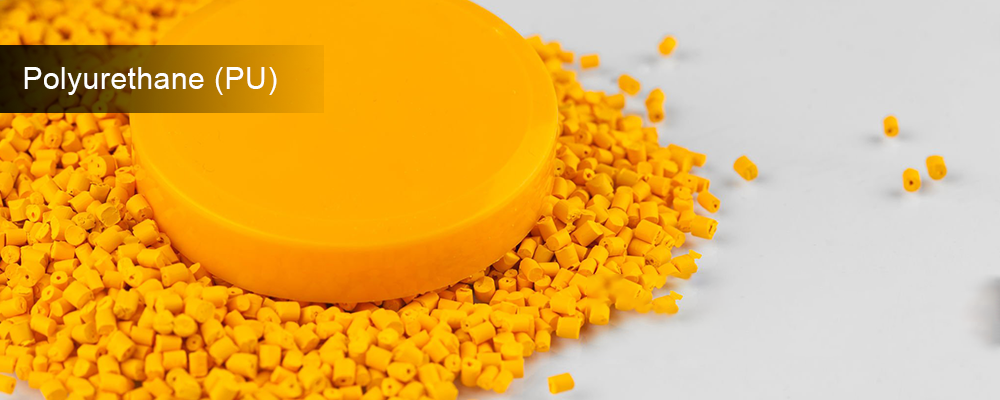
Reading Guide Polyurethane Plastic Polyurethane Polyurethane (PU) is a synthetic resin widely recognized for its versatility and strength. As a polyurethane plastic material, it combines the flexibility of rubber with the toughness of plastic. This makes it an ideal solution for a wide range of industrial applications, from coatings to foams. The adaptability of polyurethane […]
Polylactic Acid Plastic (PLA)
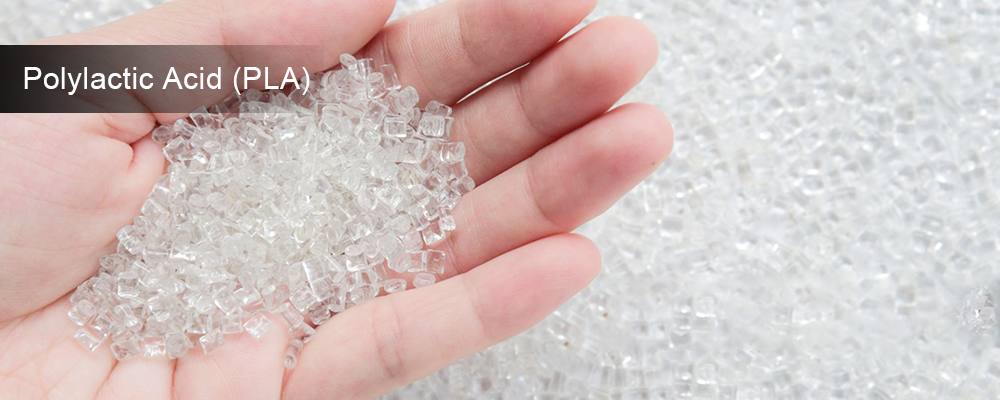
Reading Guide Polylactic Acid Plastic Polylactic Acid Polylactic acid has good thermal stability, a processing temperature of 170-230°C, good solvent resistance, and can be processed in a variety of ways, such as extrusion, spinning, biaxial stretching, injection blow molding, etc. In addition to being biodegradable, products made of polylactic acid have good biocompatibility, gloss, transparency, […]
Polyethersulfone Plastic (PES)
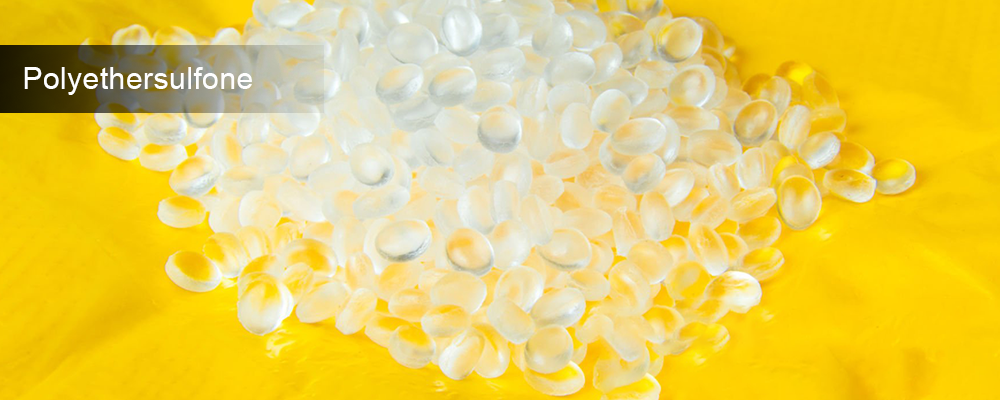
Reading Guide Polyethersulfone Plastic Polyethersulfone Polyethersulfone is a thermoplastic polymer material with excellent comprehensive performance developed by the British ICI company in 1972. It is one of the few special engineering plastics that have been applied. It has excellent heat resistance, physical and mechanical properties, insulation properties, etc., especially it can be used continuously at […]
Liquid Crystal Polymer Plastic (LCP)

Reading Guide What is Liquid Crystal Polymer? Plastic Liquid Crystal Polymer LCP plastic raw material (LIQUID CRYSTAL POLYMER) is also called liquid crystal polymer. It is a new type of polymer material that generally exhibits liquid crystal properties in the molten state. Liquid crystal polymer (LCP) is a liquid crystal high-performance polymer belonging to the […]
Thermoplastic Polyester Elastomer Plastic (TPEE)
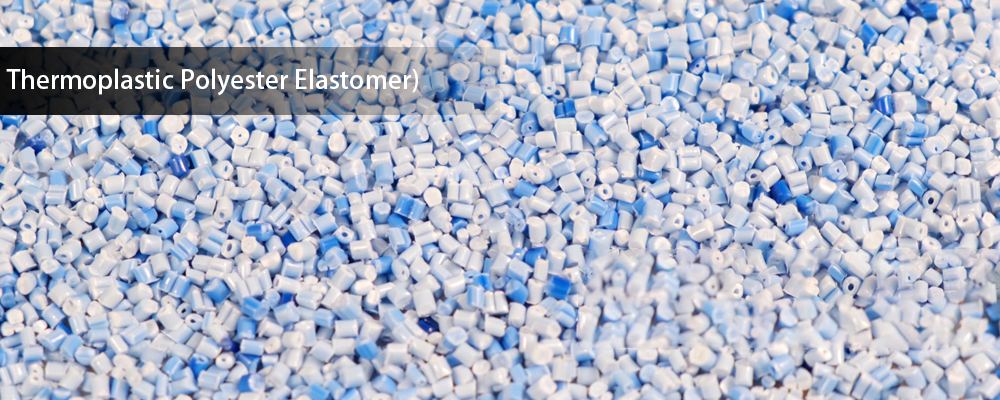
Reading Guide Linear Thermoplastic Elastomer Plastic Linear Thermoplastic Elastomer Thermoplastic polyester elastomer (TPEE), also known as polyester rubber, is a type of block linear copolymer containing PBT polyester hard segment (crystalline phase, providing strength) and polyether soft segment (continuous segment). The rigidity, polarity and crystallinity of the TPEE hard segment give it outstanding strength and […]
Polyimide Plastic (PI)
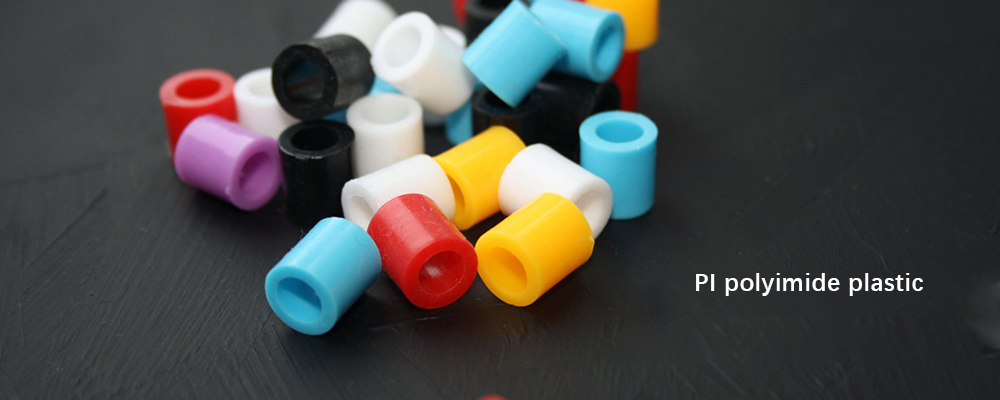
Reading Guide What is PI plastic? Plastic Polyimide Plastic (PI) Polyimide (PI for short) is one of the most heat-resistant and fire-resistant polymers currently available. Its low wear rate, ability to work without lubrication, and high pV rate make it an ideal material for high friction and wear applications, extending service life and reducing maintenance […]
Acrylonitrile Butadiene Styrene (ABS)
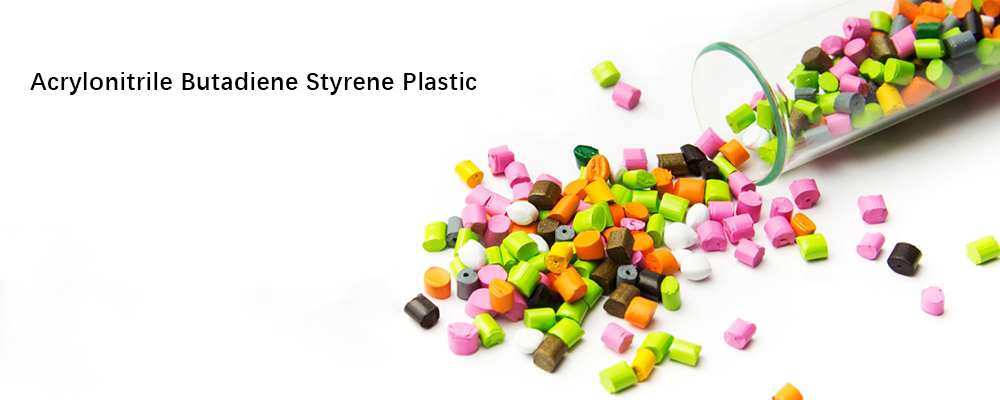
ABS Plastic Acrylonitrile Butadiene Styrene (ABS) is an impact-resistant engineering thermoplastic. It is an amorphous polymer. It is made of three monomers: acrylonitrile, butadiene, and styrene. It is a preferred choice for structural applications due to its physical properties. How is ABS made? Acrylonitrile-butadiene-styrene is typically produced by emulsion polymerization or by polymerizing styrene and […]