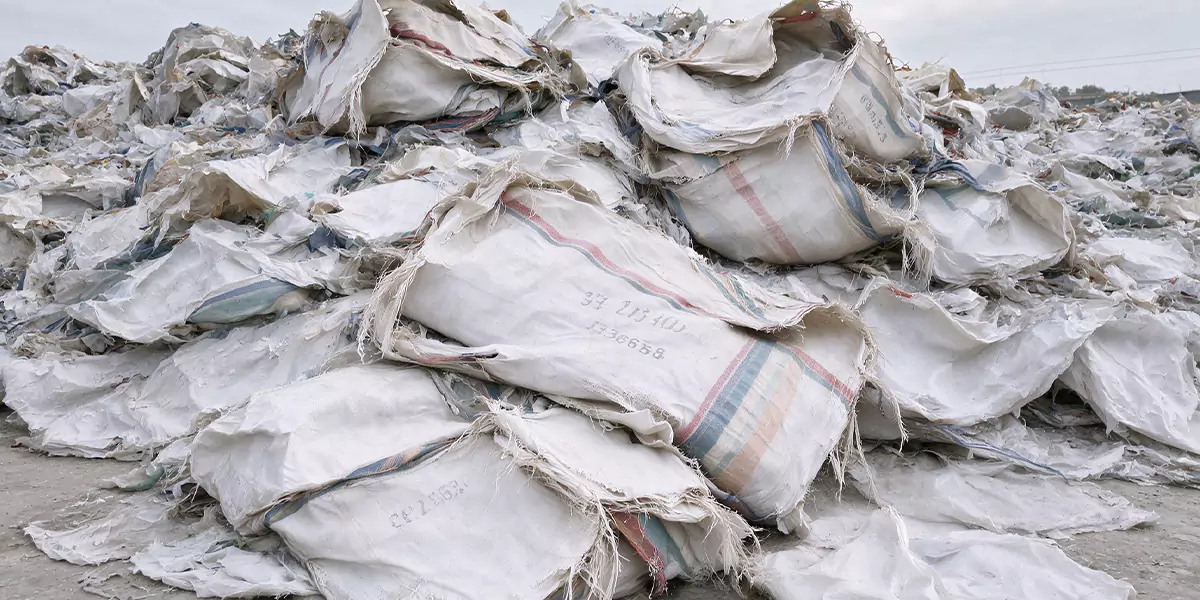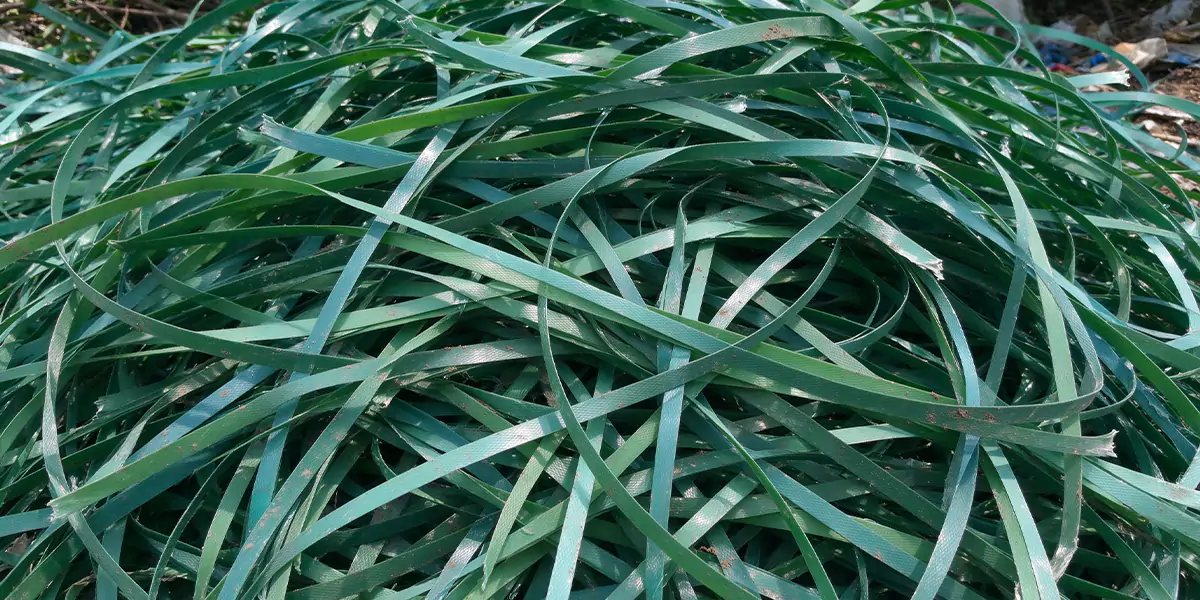
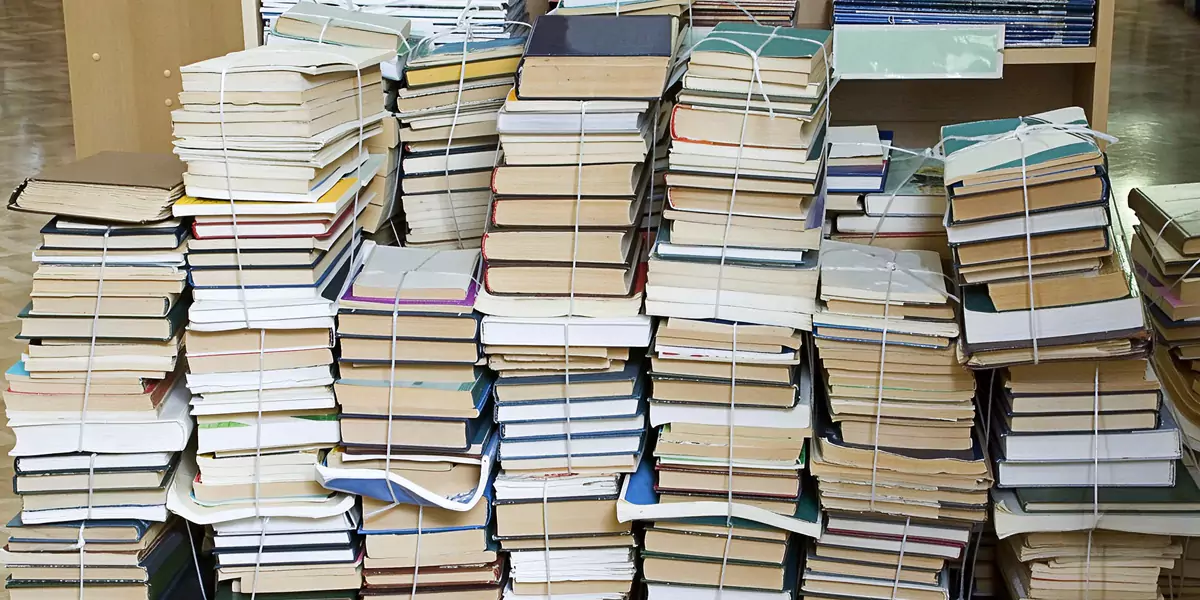
A book carries knowledge and conveys ideas. When it finishes its reading mission, its value does not come to an end. Yellowed teaching materials, expired periodicals, archived documents and idle reading materials, if directly landfilled or incinerated, will waste precious plant fiber resources. Ink and adhesive accessories will also bring environmental burdens. Promoting standardized recycling of waste books and paper, and completing preprocessing with professional shredding equipment to return paper fibers to production lines, is not only a treasure of civilization, but also an important practice to boost the green low-carbon economy and implement circular development.
I. Why Recycle Waste Books and Paper?
Paper is made from wood fiber. Paper production with virgin wood pulp involves logging, storage and transportation, wood chip cooking, bleaching and pulping, which heavily consumes forests, fresh water, electricity, coal and chemical agents. Waste book paper features high fiber purity and stable quality as recycled raw material, with outstanding resource utilization potential.
If waste books are directly sent to final domestic waste disposal, the drawbacks are obvious:
Landfill occupies land and causes continuous pollution. Paper decomposes in an anaerobic landfill environment and releases methane, which has a far stronger greenhouse effect than carbon dioxide. Ink, binding glue, laminated films and staples on books seep into soil and groundwater along with leachate, creating long-term environmental risks.
Incineration increases carbon emissions and air pollution. Direct incineration releases carbon stored in fibers all at once. Meanwhile, the combustion of ink and binding accessories generates smoke and volatile organic compounds, increasing the pressure of waste gas treatment.
Stabilize the domestic recycled raw material supply chain. Under the framework of the renewable resources industry, local waste book and paper recycling is an important way to guarantee stable raw material supply for the paper industry chain, reduce reliance on imported raw materials and consolidate industrial security.
Meet the demand for physical destruction of confidential materials. Archives, ledgers and internal bound confidential documents may retain readable pages through ordinary disposal methods, bringing risks of information leakage. Professional shredding equipment is required for irreversible physical destruction.
Recycling waste books and paper closes the loop of “resource – product – recycled resource”, implements the core principles of circular economy: reduction, reuse and recycling, and turns waste into usable industrial raw materials again.
II. Value Contribution of Book & Paper Recycling to Green Low-Carbon Economy
The core of low-carbon economy is to cut carbon emissions per unit output and reduce fossil energy consumption while developing industries. Book recycling is not merely environmental public welfare, but a quantifiable and industrializable carbon reduction approach.
Protect forest carbon sinks and consolidate ecological carbon sequestration capacity. Forests are the core terrestrial carbon sinks, and trees continuously absorb carbon dioxide as they grow. Recycling 1 ton of waste book paper can produce 850 kg of recycled paper and save 3 cubic meters of timber, equivalent to protecting about 26 mature trees. Large-scale recycling reduces logging and enables forests to continuously perform ecological functions including carbon sequestration, water conservation, soil retention and biodiversity protection.
Greatly reduce production energy consumption and cut greenhouse gas emissions directly. Virgin chemical pulping is highly energy-intensive. Recycled pulping skips wood cooking and consumes far less energy than virgin pulp production for the same output. Recycling 1 ton of waste book paper saves 1.2 tons of standard coal and 600 kWh of electricity. Lower fossil energy consumption brings simultaneous reductions in CO₂, SO₂ and nitrogen oxide emissions, making it a low-cost and easy-to-implement low-carbon transformation path for the paper industry.
Cut pollution loads and reduce the overall environmental governance cost of society. Virgin wood pulping generates high-concentration organic wastewater with high investment and operating costs for sewage treatment. Pulping with waste book paper significantly reduces wastewater output and pollutant concentration, cuts auxiliary costs such as chemical dosing and sludge disposal, and realizes coordinated pollution reduction and carbon reduction.
Drive the development of green industrial chains and meet ESG and green procurement requirements. Book recycling connects collection points, sorting centers, preprocessing factories, recycled pulp mills and paper product manufacturers to form a complete green industrial chain and create stable jobs. The recycled paper can be used for books, packaging and office paper, helping downstream enterprises complete carbon footprint accounting, satisfy domestic and overseas green procurement and ESG disclosure requirements, and boost domestic and foreign trade businesses.
Ease urban solid waste disposal pressure. Books are bulky and fluffy. A large volume entering the domestic waste system will increase the burden of transportation and incineration. Resource recycling replaces landfill and incineration, relieves the pressure of final solid waste treatment and cuts the carbon cost of urban waste management.
The low-carbon benefits of book recycling are multi-layered: protecting forest carbon sinks, reducing fossil energy consumption and lowering pollutant treatment costs. It converts ecological value into calculable carbon benefits and supports the achievement of carbon peaking and carbon neutrality goals.
III. Resource Consumption and Industrial Cost Benefits
Resource Saving Reference (Per Ton of Waste Book Paper)
Recycled paper output: 850 kg
Timber saved: 3 m³ (approx. 26 mature trees)
Water saved: 100 m³
Chemical raw materials saved: 300 kg
Standard coal saved: 1.2 t
Electricity saved: 600 kWh
Full-chain Cost Benefits
Stable raw material cost. Recycled fiber is cheaper than virgin wood pulp. Using waste book paper as raw material can hedge against wood pulp price fluctuations, stabilize the production cost of paper mills and improve profit margins.
Reduce logistics and transportation costs. Bundled old books have large gaps and low loading rate with high unit freight. After shredding preprocessing, the materials are uniform with higher bulk density. The loading capacity per truck is greatly improved, effectively cutting the transportation cost per ton of material.
Guarantee stable operation of downstream pulping lines. Complete books contain spine hot melt adhesive, laminated pages, staples and strapping bands. Direct feeding into the pulper easily causes paper winding, blockage and tripping shutdown. Frequent cleaning consumes labor and reduces output. Shredding preprocessing breaks materials and separates part of impurities in advance for smoother feeding, fewer shutdown failures, higher continuous production efficiency of the whole line and amortized labor and equipment depreciation costs.
Expand profitable business scenarios. For archives, confidential books and classified documents, shredding makes pages unrecoverable and meets confidential destruction standards, helping renewable resource enterprises develop differentiated business lines.
IV. Why Choose Double-Shaft Shredder with Soft Feeding for Waste Book & Paper Processing?

Many customers wonder whether ordinary crushers can process paper. Ordinary high-speed crushers and small paper shredders suit loose thin paper. When dealing with bundled books, thick glue-bound textbooks and laminated picture albums, they are prone to material flying back, paper winding around cutter shafts, uneven feeding, frequent overload shutdown, heavy dust and low output.
For book recycling preprocessing, we recommend the soft feeding + double-shaft shredder solution. Based on low-speed, high-torque counter-rotating shearing and tearing principle, the machine stably grabs fluffy, stacked and bundled books and tears them slowly, effectively solving paper flying, material backflow and jamming problems. The shredded materials have uniform particle size, perfectly matching subsequent recycling processes such as deinking, pulping and impurity removal.
This double-shaft shredder is specially designed for bulky, hollow, complex and hard-to-shred solid waste, with a wide range of applicable materials: car shells, tires, refrigerators, TVs, washing machines, plastic drums, metal drums, plastic pallets, medical waste, industrial waste, kitchen waste, organic waste, hard disks, expired food, medicines, documents, paper and books.
Core Advantages of the Equipment

 Alloy steel cutter discs for long service life.
 Alloy steel cutter discs for long service life.
The cutter discs are made of special alloy steel, sturdy, wear-resistant and impact-resistant with long service life. The thickness, tooth quantity and arrangement of rotary cutters can be customized according to shredding requirements of different materials such as books, cardboard, plastic and rubber to flexibly match target discharge particle size. It is not easy to crack or wear when processing glue-bound and stapled books.

✅ Heavy-duty frame structure suitable for large-size feeding.
It adopts thick split combined frame, large-angle hexagonal heavy-duty rotary shafts and heavy-duty large-diameter feeding hopper with strong feeding tolerance. Bundled books and large hollow materials can be fed smoothly. Cooperated with the soft feeding mechanism, materials are fed at a constant speed to avoid impact on the main machine from concentrated feeding.

✅ Siemens PLC intelligent electric control with complete safety protection.
Equipped with standard Siemens PLC automatic control system, it supports start, stop, forward/reverse rotation and automatic overload protection. When staples or hard impurities cause jamming, the machine reverses automatically to discharge materials and protect the main shaft, cutter discs and motor, suitable for long-term continuous operation in recycling plants and confidential destruction centers.

✅ Low-speed operation with low noise, low dust and stable output.
Different from high-speed impact crushers, it works by high-torque shearing, featuring low operating noise and little dust escape, meeting factory environmental control standards and delivering stable and continuous output.
V. Endless Circulation, Perpetual Scholarly Fragrance
Words do not lose their power as pages turn yellow, and forests should not be overdrawn for one-time consumption. An old book goes through collection, soft feeding into the double-shaft shredder, homogeneous shredding preprocessing, then transportation to the paper workshop for deinking, pulping and papermaking, and finally becomes new paper to achieve rebirth. Against the backdrop of green low-carbon development, the value of renewable resources needs stable and reliable preprocessing equipment to be unlocked. As a key connecting device in the book recycling chain, the double-shaft shredder addresses the pain points of the book shredding industry, helps recycling enterprises cut costs, raise efficiency and stabilize production capacity, protects forest resources with professional industrial equipment and puts circular economy into real production.
Every sheet and every log is hard-won. May every old book continue to write a new green chapter in a brand-new form.