
What Is Plastic Purge Waste and Where Does It Come From?
In plastic processing, purge waste generally refers to large pieces of residual plastic generated during machine start-up, shutdown, color changes, material changes, equipment cleaning, and production adjustments.
Depending on the manufacturing process, these materials may be called injection molding purge, extrusion purge waste, blow molding purge, or plastic processing scrap.
Common sources include:
Injection molding: Nozzle purges, cold material, screw residues, and start-up scrap.
Extrusion: Purge material generated during start-up, shutdown, material changes, and die cleaning.
Blow molding: Residual material from die cleaning, material changes, and mold trials.
Pelletizing lines: Purge waste from screen changes, die cleaning, and color transitions.
Compression and hot pressing: Excess material, mold-cleaning waste, and thick residual pieces.
Casting and sheet calendering: Accumulated material near rollers and thick scrap from production adjustments.
Although the appearance may be similar, purge materials can differ significantly in polymer type, hardness, size, and contamination level. Proper identification and sorting are essential before recycling.
| Production Process | Cause of Purge Generation | Typical Materials |
|---|---|---|
| Injection Molding | Start-up, color change, mold change, purging, nozzle cold material and screw residue | Nozzle purge, machine head scrap |
| Extrusion Molding | Start & stop, material change, color change, head cleaning | Extrusion purge scrap, large molten lumps |
| Blow Molding | Head cleaning, material change, trial molding, condition adjustment | Head scrap from hollow tank and plastic bottle production |
| Plastic Pelletizing | Screen changer, shutdown die head cleaning, color transition | Pelletizing line purge scrap, pre-screen buildup |
| Compression Molding / Hot Pressing | Mold cleaning, overflow flash, demolding | Thick plastic or rubber blocks |
| Cast Film / Sheet Calendering | Buildup before rollers, shutdown cleaning, production commissioning | Large sheet trimmings, thick molten blocks |
Why Is Plastic Purge Recycling Worthwhile?
Plastic purge waste may still contain valuable polymer materials. When properly collected and sorted, it can become a recoverable resource rather than an unnecessary production loss.
Recover raw material value: Reprocessing suitable purge waste helps manufacturers make better use of the resin already purchased and consumed.
Reduce handling and storage costs: Large, irregular plastic lumps can be difficult to store and transport. Size reduction makes them easier to handle.
Improve production resource management: Recycling production scrap helps manufacturers establish a more organized material recovery process.
Reduce reliance on virgin plastics: Suitable recovered materials can be reintroduced into manufacturing after the necessary processing and quality checks.
For manufacturers with continuous production scrap, an effective purge recycling process can support both material efficiency and more responsible production.
Plastic Recycling Trends in Europe and the United States
Across Europe and the United States, material recovery and resource efficiency are becoming increasingly important parts of industrial sustainability.
In Europe, the 2018 European Strategy for Plastics supports the transition toward a circular plastics economy. The EU Packaging and Packaging Waste Regulation (PPWR), which began applying on August 12, 2026, introduces requirements for packaging recyclability, recycled content, and waste management. Although the regulation focuses on packaging rather than industrial purge waste, it reflects the broader direction of European materials policy.
In the United States, the EPA’s Sustainable Materials Management approach considers the entire material lifecycle, from raw material extraction and manufacturing to use and end-of-life management. It encourages more efficient resource use, waste reduction, and material recovery.
For plastic manufacturers, recovering suitable production scrap is a practical way to improve material efficiency and support more responsible manufacturing.
Why Does Plastic Purge Waste Require Specialized Size Reduction Equipment?

Plastic purge waste can be more challenging to process than ordinary film, bottle flakes, or thin plastic offcuts.
After cooling, some purge materials become large, dense, and rigid plastic blocks. Feeding oversized pieces directly into a conventional crusher may lead to feeding difficulties, material jamming, or excessive machine load.
Key processing considerations include:
Large material dimensions: Oversized purge lumps may require preliminary shredding before further size reduction.
Different material properties: PP, PE, ABS, PS, PVC, PA, rubber, and thermosetting materials have different processing characteristics.
Higher mechanical demands: Thick and rigid plastic blocks require suitable blade configurations, rotor structures, and bearing protection.
Different processing requirements: Some smaller purge pieces can be crushed directly, while larger and harder pieces may require a two-stage shredding and crushing process.
Choosing the right equipment depends on the actual material, rather than simply its appearance.
Tyrone Plastic Purge Recycling Solution: Single Shaft Shredding and Plastic Crushing
For plastic purge waste of varying sources and sizes, Tyrone provides two types of equipment: single shaft shredders and plastic crushers. Users can select standalone processing or combined processing solutions according to material characteristics.
For bulky, compact plastic purge lumps, a single shaft shredder can be used for primary shredding first, followed by further processing with a plastic crusher to reduce the material to the size required for subsequent recycling processes.
1. Tyrone Single Shaft Shredder: Front-end Processing for Large Plastic Purge
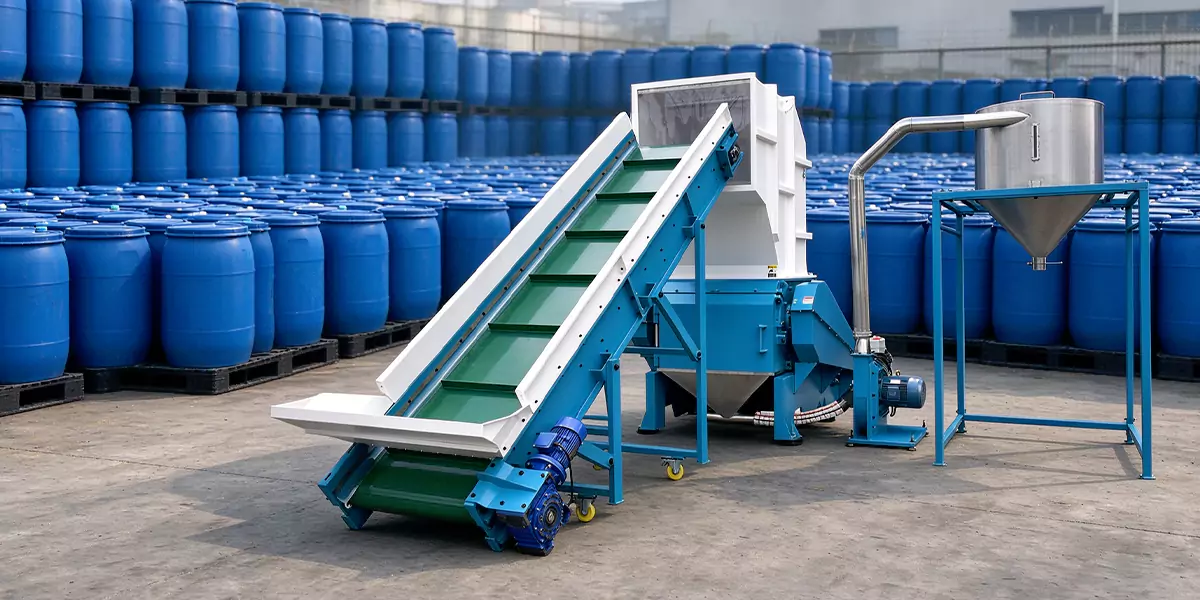
The Tyrone Single Shaft Shredder serves as front-end size reduction equipment for large, thick or high-hardness plastic purge lumps. It breaks down bulky materials into smaller pieces to lower the difficulty of downstream treatment.

Equipment Features & Advantages
Wide material compatibility:
Suitable for plastic blocks, thick sheets, heavy-duty pipes, rubber, fibers, wood, films and other solid materials. The specific configuration is determined based on the material.
Multiple rotor structures available:
Standard, film and hard-material rotors can be selected to match different shredding requirements according to material properties.
Reversible cutting blades:
Blades can be repositioned after wear as designed to extend service life.
External bearing design:
Reduces the chance of dust ingress into bearings. Grease nipples are equipped for convenient daily lubrication and maintenance.
Hardened gears:
Hardened gears deliver stable transmission performance.
For large injection molding purge, extrusion purge waste, blow molding purge and other bulky plastic scrap, a suitable single shaft shredder configuration can be chosen based on material size and hardness.
2. Tyrone Plastic Crusher – TLP Series: Further Crushing to Improve Material Uniformity
Pre-shredded plastic purge can be fed into the plastic crusher for fine crushing according to target particle size and downstream process requirements.
Purge pieces small enough for direct feeding can also be crushed directly by the plastic crusher subject to actual material conditions.

Equipment Features & Advantages
Special blade structure: Blades feature a hybrid design between claw blades and flat blades, suited for common sheet plastic products, various polymers and packaging materials. Double-layer feeding hopper: Reduces operating noise and improves the wear resistance of the hopper. Multiple safety protections: Multiple safety devices are fitted to enhance operational safety. Optimized bearing structure: Model 1065 adopts an independent capped bearing housing, equipped with load bearings, oil seals and sound insulation baffles. These reduce vibration noise and the risk of lubricant contamination of materials.
Heavy-duty construction: Model 1083 and above are equipped with dedicated crushing chamber structures and external independent heavy-duty bearings to boost operational stability and minimize material contamination risk.
Optional configurations:
Conveyor system
On-site recycling system
On-site recycling and dust collection system
Metal separator
Powder screening system
Custom configurations
What Can Recycled Plastic Purge Be Used For?

After shredding and crushing, plastic purge waste is converted into smaller plastic flakes or regrind. These materials are not the same as finished recycled plastic pellets, which require further processing through an extrusion and pelletizing system.
Depending on material quality and application requirements, recycled purge material may be used in:
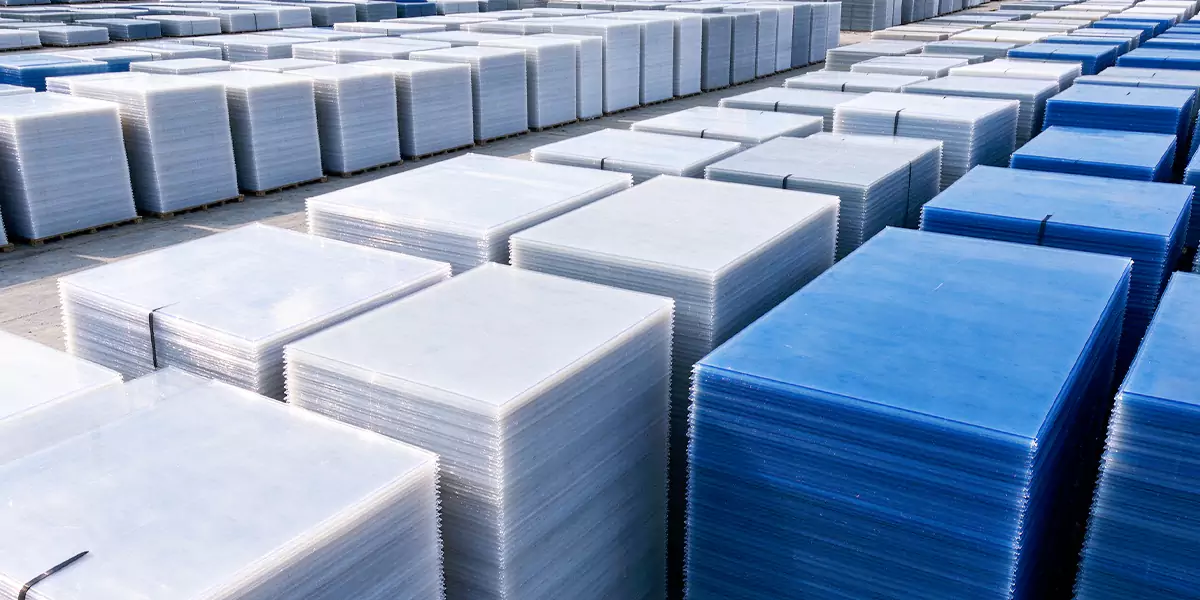
Plastic extrusion products: Suitable regrind may be reused in selected profiles, sheets, and other extruded products.
Injection molded products: Recovered material may be used after quality evaluation and appropriate blending.
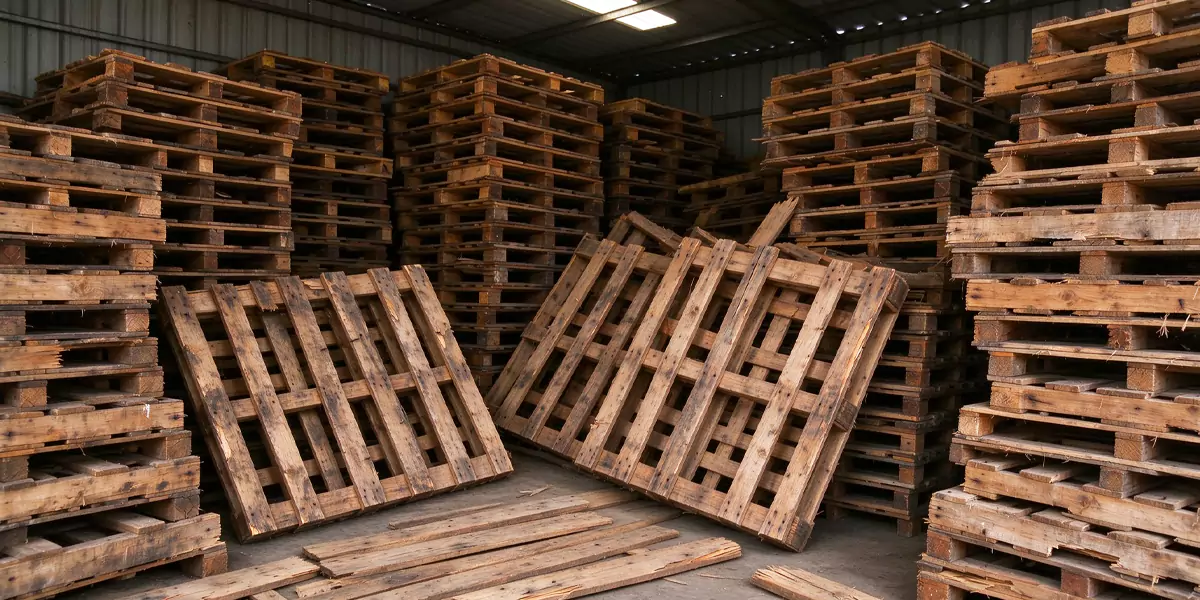
Plastic pallets and logistics products: Some recycled polymers can be used in industrial pallets, containers, and similar products.
Industrial plastic components: Applications depend on the required mechanical properties and product specifications.
Further pelletizing: Crushed material can be processed through an extrusion pelletizing line to produce recycled plastic pellets.
The suitability of recycled material depends on polymer type, thermal history, degradation, color, additives, contamination, and final product requirements. Material testing is recommended before reuse.
Tyrone: Bringing Plastic Production Scrap Back into the Material Cycle
Plastic purge waste is a common by-product of plastic manufacturing, but it does not always have to become disposal waste.
From injection molding nozzle purges and extrusion residues to blow molding scrap and pelletizing-line purge material, many types of production waste may still contain recoverable polymer resources.
The Tyrone Single Shaft Shredder and TLP Series Plastic Crusher provide flexible size-reduction solutions for different purge materials and processing requirements.
With suitable equipment configurations and a well-planned recycling process, manufacturers can improve production scrap management and prepare recovered materials for further use.
Our focus goes beyond reducing plastic waste into smaller pieces. We aim to help plastic manufacturers build practical and efficient material recovery processes.
Frequently Asked Questions (FAQ)
Q1: What is plastic purge?
A1: Plastic purge waste refers to large lumps of residual molten plastic or purging scrap generated during plastic processing, commonly seen in injection molding, extrusion, blow molding, pelletizing, compression molding and cast film production.
Q2: Can the Tyrone single shaft shredder handle injection molding head scrap and nozzle purge?
A2: Yes. A suitable configuration of the Tyrone Single Shaft Shredder can be selected according to the size, material and hardness of the purge waste. For large, rigid purge lumps, primary shredding is recommended as the first step.
Q3: Does plastic purge always need shredding before crushing?
A3: Not necessarily. Large, thick or rigid purge lumps are generally better processed by shredding first followed by crushing. Smaller purge pieces that meet the feeding specifications can be fed directly into the plastic crusher as appropriate.
Q4: What types of plastic purge can the Tyrone plastic crusher process?
A4: Depending on its configuration, the Tyrone Plastic Crusher can handle a wide range of plastic materials within the feeding limits. Actual suitability shall be assessed based on polymer properties (PP, PE, ABS, PS, PVC, PA, etc.), as well as the size and hardness of the purge lumps.
Q5: Can crushed plastic purge be directly reused in production?
A5: Some clean, well-identified regrind that meets performance standards can be reused in production after quality inspection. Other materials may require sorting, washing, drying or further pelletizing, subject to the requirements of the final product.
Q6: Can this plastic purge recycling setup process rubber purge?
A6: Rubber differs from conventional thermoplastics in material characteristics and cannot be processed with the same machine configuration. The equipment solution needs to be evaluated separately based on rubber type, hardness, lump size and processing objectives.
Q7: How to choose the right shredder or crusher for plastic purge?
A7: We recommend providing the material type, maximum lump dimension, single piece weight, hardness, hourly throughput and target output size. Tyrone can evaluate and recommend a suitable machine configuration and processing solution based on these parameters.