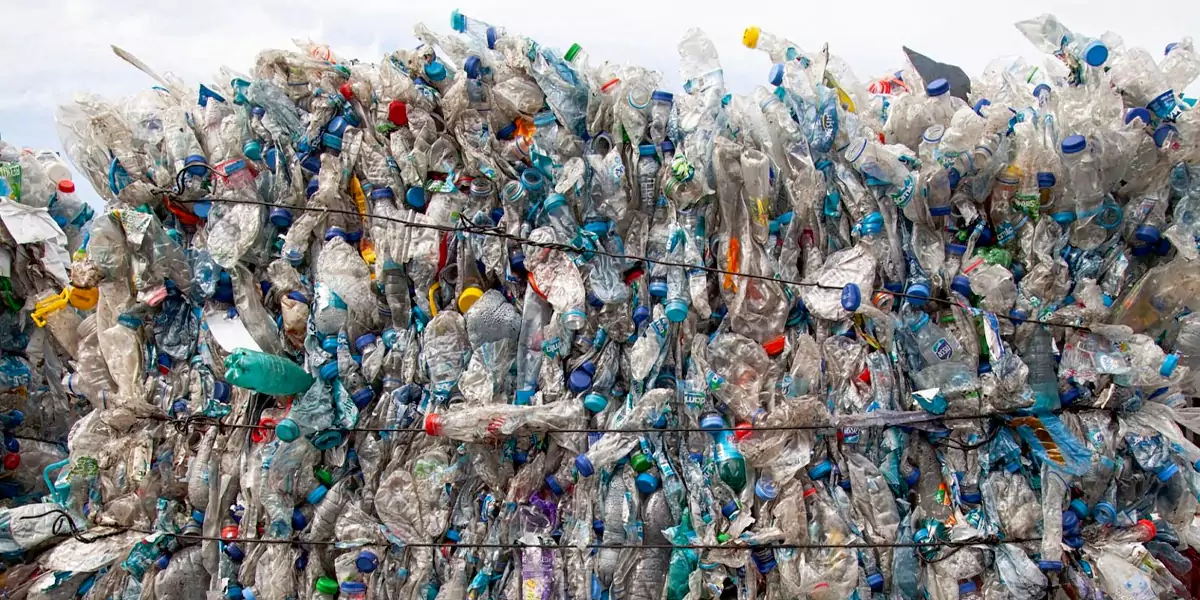
Plastic water bottles are the most common hollow plastic products in daily life and beverage industries, mainly including PET mineral water bottles and beverage bottles, as well as HDPE daily chemical bottles and industrial plastic water bottles, widely used in supermarkets, catering and industrial scenarios. Once discarded after single use, plastic bottles take hundreds of years to degrade slowly if landfilled directly, continuously contaminating soil and groundwater. Random incineration releases harmful flue gas and aggravates air pollution. Plastics are derived from petroleum; virgin plastic manufacturing involves complex procedures, high energy consumption and massive carbon emissions.
Waste plastic water bottle recycling carries enormous resource, economic and carbon reduction value. Many people regard plastic bottles merely as domestic waste, ignoring they are “urban mines” with huge recycling potential. Recycling plastic bottles is not only an environmental obligation, but also a high-quality commercial project that turns waste into recyclable industrial raw materials. Shredding is the first core procedure of the whole plastic bottle recycling line. The stability, output uniformity and throughput of shredding equipment directly determine the production efficiency and finished product quality of the whole recycling line. Tyrone TLV Series Crusher is tailor-made for hollow scrap plastic bottles and thin-wall plastic containers, delivering mid-to-high-end shredding solutions for the plastic recycling industry.
1.Multiple Recycling Values of Plastic Water Bottles
Resource Value: Save Petroleum & Reduce Virgin Resource Consumption
Both PET and HDPE plastics take petroleum as basic raw material. Producing 1 ton of virgin PET consumes approximately 6 tons of petroleum. By contrast, recycling 1 ton of waste PET water bottles for reprocessing can substitute virgin plastic and save substantial resources for petroleum exploitation and refining. Recycling waste bottles reduces the exploitation of non-renewable fossil fuels and eases resource shortage pressure.
Environmental & Carbon Value: Cut Carbon Emissions & Lower Environmental Burden
Virgin plastic production, from petroleum refining to polymerization and pelletizing, consumes massive energy and discharges greenhouse gases throughout the process. Reference data: Recycled PET production can reduce carbon emissions by over 70% and save more than 80% of process water compared with virgin PET. Recycling plastic bottles reduces land occupation of landfills, prevents white pollution caused by long-term plastic accumulation in soil and oceans, and cuts toxic exhaust from incineration. It helps enterprises meet carbon reduction targets and complies with domestic and international green & low-carbon policies.
Economic Value: Convert Solid Waste into Marketable Goods & Generate Stable Revenue
Waste plastic water bottles are not useless trash but tradable recycled raw materials.
Empty bottles collected by individuals and recycling stations are baled and sold to recycling plants to create recycling income.
Recycling plants crush, wash, sort and pelletize plastic bottles to produce recycled pellets, which are sold directly on plastic raw material markets for downstream injection molding and fiber spinning industries.
Recycled materials are generally cheaper than virgin plastics. Downstream product manufacturers can effectively cut production costs by purchasing recycled pellets, forming a complete and healthy industrial chain.
A 500ml mineral water bottle weighs roughly 18~20g. 50,000 empty bottles can be recycled into about 1 ton of PET raw material with considerable market value.
II. Tyrone TLV Crusher: Designed for Shredding Hollow Plastic Water Bottles
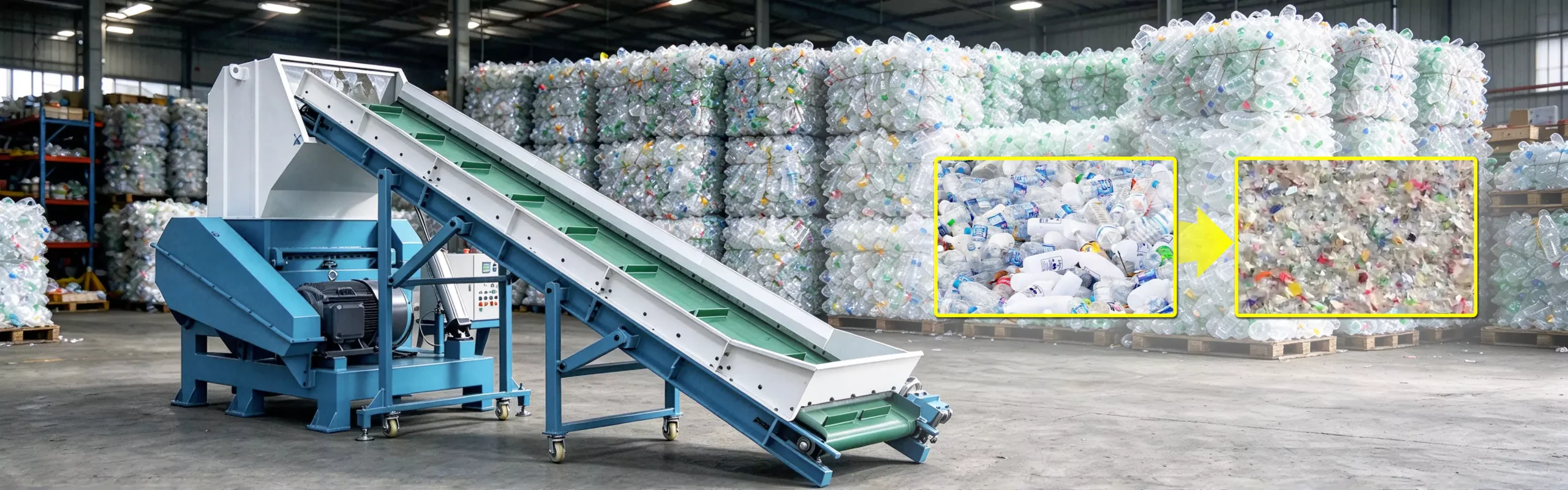
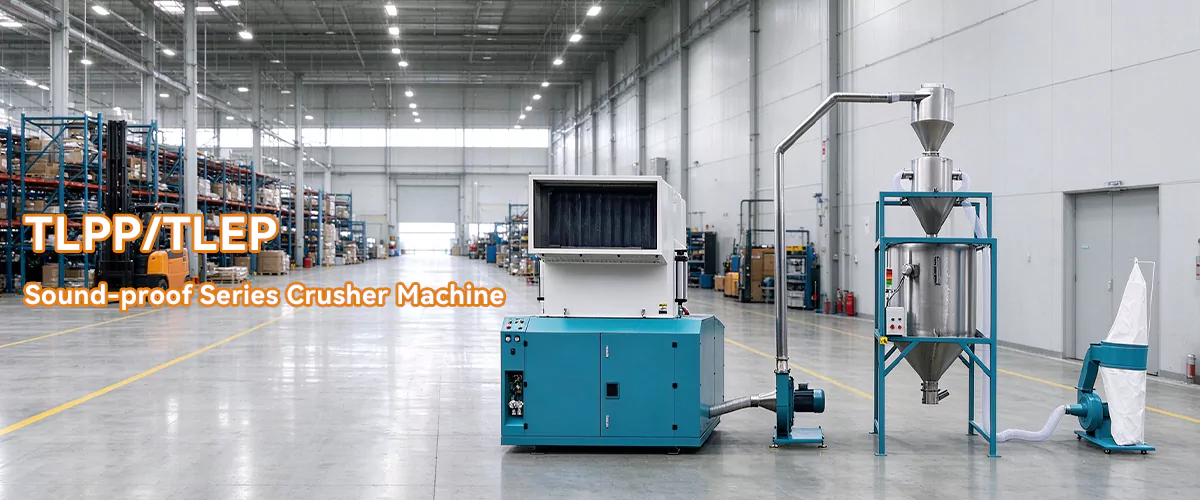
As a brand specializing in R&D and manufacturing of solid waste shredding equipment, Tyrone optimizes the structure of TLV series crushers to solve typical material pain points of hollow thin-wall plastic bottles, such as label tangling. It is suitable for shredding PET beverage bottles, daily chemical plastic bottles, various hollow scrap bottles and baled compressed plastic bottles. Graded equipment options are available for small recycling workshops and large-scale recycling projects.
Professional shear cutter assembly, anti-tangling & controllable output particle size
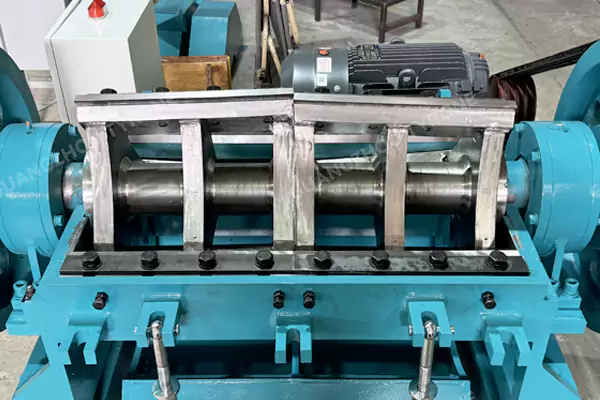
Standard configuration: 4 fixed knives + 6 rotary knives. Knives are made of high-strength alloy with quenching hardening treatment, sharp and wear-resistant. Adopting shear shredding principle (instead of impact crushing) for hollow thin-wall bottles, it ensures smooth cutting and greatly reduces rotor tangling caused by bottle flakes and labels for continuous stable production. Quick-release screen is available with optional 20mm and 25mm mesh openings. Screen replacement precisely controls flake size to produce uniform plastic scraps, meeting particle requirements of subsequent washing, flotation and pelletizing processes and improving recycled material quality.
Reliable power system equipped with 3rd-generation dynamic intelligent energy-saving system
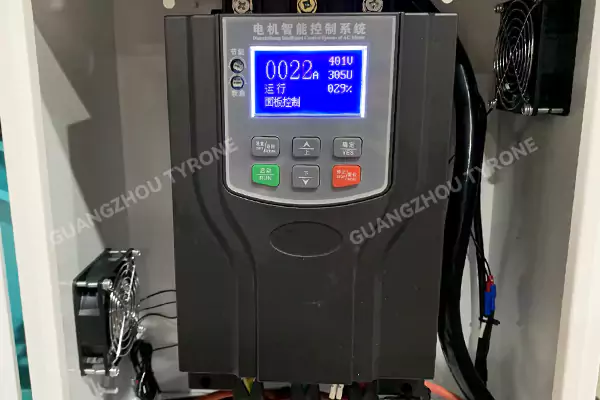
Distinct from the drawbacks of traditional star-delta starting, which lacks operational adjustment and maintains full power consumption throughout operation, the system is equipped with a high-precision sensor matrix. It identifies material conditions and equipment load at millisecond levels, automatically and accurately matching rotational speed, torque and output power to achieve “on-demand energy supply with dynamic voltage and current reduction”.
Field tests on production lines under diverse working conditions show that the comprehensive energy-saving rate of the equipment stably reaches 20%–65% compared with the traditional star-delta starting method. Catering to the long-term continuous operation characteristics of the recycling industry, the system generates massive electricity savings over time, greatly cuts the factory’s fixed operating costs and enables rapid payback on equipment upgrade investment.
Wide shredding chamber, high feeding compatibility & wide throughput range
The TLV series includes 5 mature models with inlet sizes from 600×320mm to 1220×830mm and throughput ranging from 200~2000kg/h. No pre-cutting required; whole bottles, flattened bottles and baled compressed bottles can be directly fed into the shredding chamber to reduce manual pre-processing. Models with different throughputs fit production lines of various scales: TLV6032 for small recycling workshops and TLV1283 for large recycling plants to meet continuous mass production.
Strict quality control for global project requirements
Tyrone TLV crushers own multiple independent patents. Every unit passes load test before delivery for reliable durability. The equipment has served plastic recycling projects across many countries worldwide. Customized supporting solutions are available to connect with customer’s automatic conveying, dust removal and other auxiliary equipment.
III. Applications of Bottle Flakes after Shredding
Plastic fragments produced by TLV crusher are essential semi-finished raw materials for plastic recycling chain. Bottle flakes of different materials have varied application directions:
PET Bottle Flakes (Mineral water & beverage bottles)
Shredded PET flakes go through label removal, washing, drying and sorting to eliminate impurities, then fed into pelletizers to produce recycled PET pellets.
👉 Applications: Food-grade packaging bottles, polyester staple fiber (apparel & home textile fabric), non-woven fabric, strapping bands, plastic films, etc.
HDPE Bottle Flakes (Large-capacity daily chemical plastic bottles)
After washing and pelletizing, HDPE bottle scraps become recycled HDPE pellets.
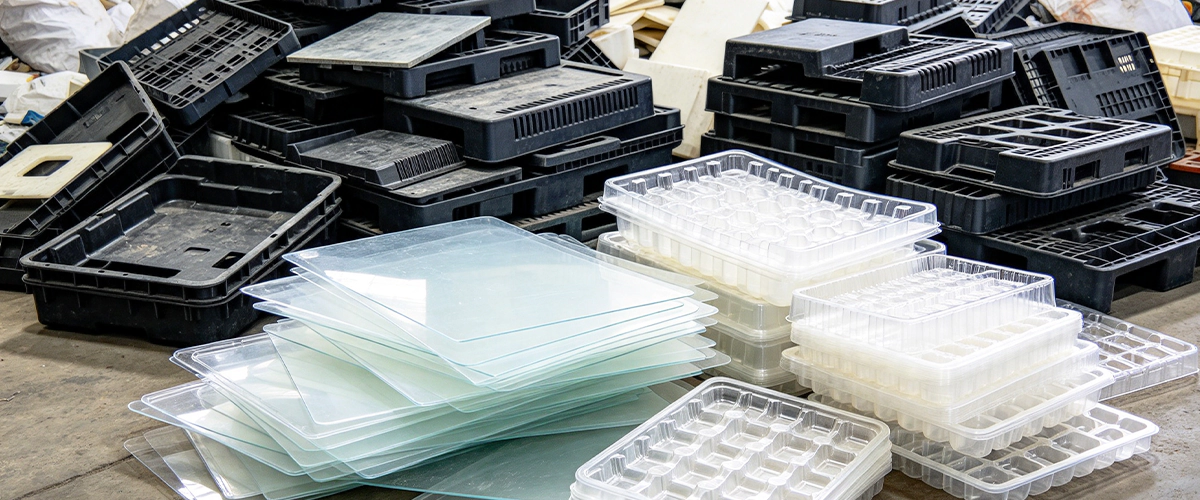
👉 Applications: Plastic pallets, pipes, plastic containers, plastic fittings, injection molded products, etc.
Recycled pellets can partially replace virgin plastics, greatly reducing petroleum consumption and lowering product carbon footprint. For recycling enterprises, waste plastic bottles are converted from waste into valuable industrial raw materials to realize solid waste resource utilization and create steady revenue. Meanwhile, it meets domestic and international environmental and carbon reduction policies and improves corporate green credentials.
IV. TLV Series Crusher Technical Specification Table
Model | Inlet Size (mm) | Capacity (kg/h) | Fixed Knife | Rotary Knife | Power HP / KW | Speed (r/min) | Screen Aperture (mm) | Overall Dimension (L×W×H mm) | Weight (kg) |
|---|---|---|---|---|---|---|---|---|---|
| TLV6032 | 600×320 | 200-400 | 4 | 6 | 20 / 15 | 600 | 20 | 1100×1080×1435 | 650 |
| TLV8350 | 830×500 | 300-900 | 4 | 6 | 40 / 30 | 600 | 25 | 1560×1640×2160 | 2000 |
| TLV1060 | 1030×600 | 450-1200 | 4 | 6 | 60 / 45 | 600 | 25 | 1900×1890×2650 | 2600 |
| TLV1265 | 1220×650 | 650-1500 | 4 | 6 | 75 / 55 | 600 | 25 | 2050×2250×2790 | 3000 |
| TLV1283 | 1220×830 | 800-2000 | 4 | 6 | 100 / 75 | 600 | 25 | 3000×2320×3250 | 6500 |
V. Conclusion
Against the global trend of solid waste resource recovery and low-carbon emission reduction, the plastic bottle recycling market keeps expanding. Waste plastic water bottles deliver triple values in resources, environmental protection and economy. As the first gate of recycling lines, shredding equipment’s stability, energy consumption and output quality directly determine the benefit of the whole production line.
Tyrone TLV Series Crusher focuses on hollow scrap plastic bottle shredding. With mature shear cutter assembly, dynamic energy-saving system and flexible throughput options, it delivers reliable shredding solutions for plastic recyclers. Starting from raw material shredding, it fully unlocks the resource potential of waste plastic bottles, helping customers turn waste into treasure and achieve dual growth of economic benefit and green environmental value.